
DANGER: How Stretching Can Harm Your Hips!
Could your hip stretches be causing you MORE pain and problems?
As someone who has battled hip pain and hip impingement, I've discovered that stretching is a double-edged sword.
Whether it helps or harms depends on how you use it AND the underlying structure of your hips (AKA your femoral version).
Let's explore the science behind femoral version and what it means for your hip mobility and hip recovery.
Unveiling the Truth Behind Hip Pain
Stretching is supposed to be good for almost everything... right?! But then, why doesn't your hip pain get better despite doing all the popular stretching and mobility exercises you found online?
You're not alone in this conundrum. This persistent issue has baffled many of our fellow athletes and gym-goers.
Recent research published in Clinical Biomechanics revealed one possible reason: different hip structures react differently to the same mobility exercises.
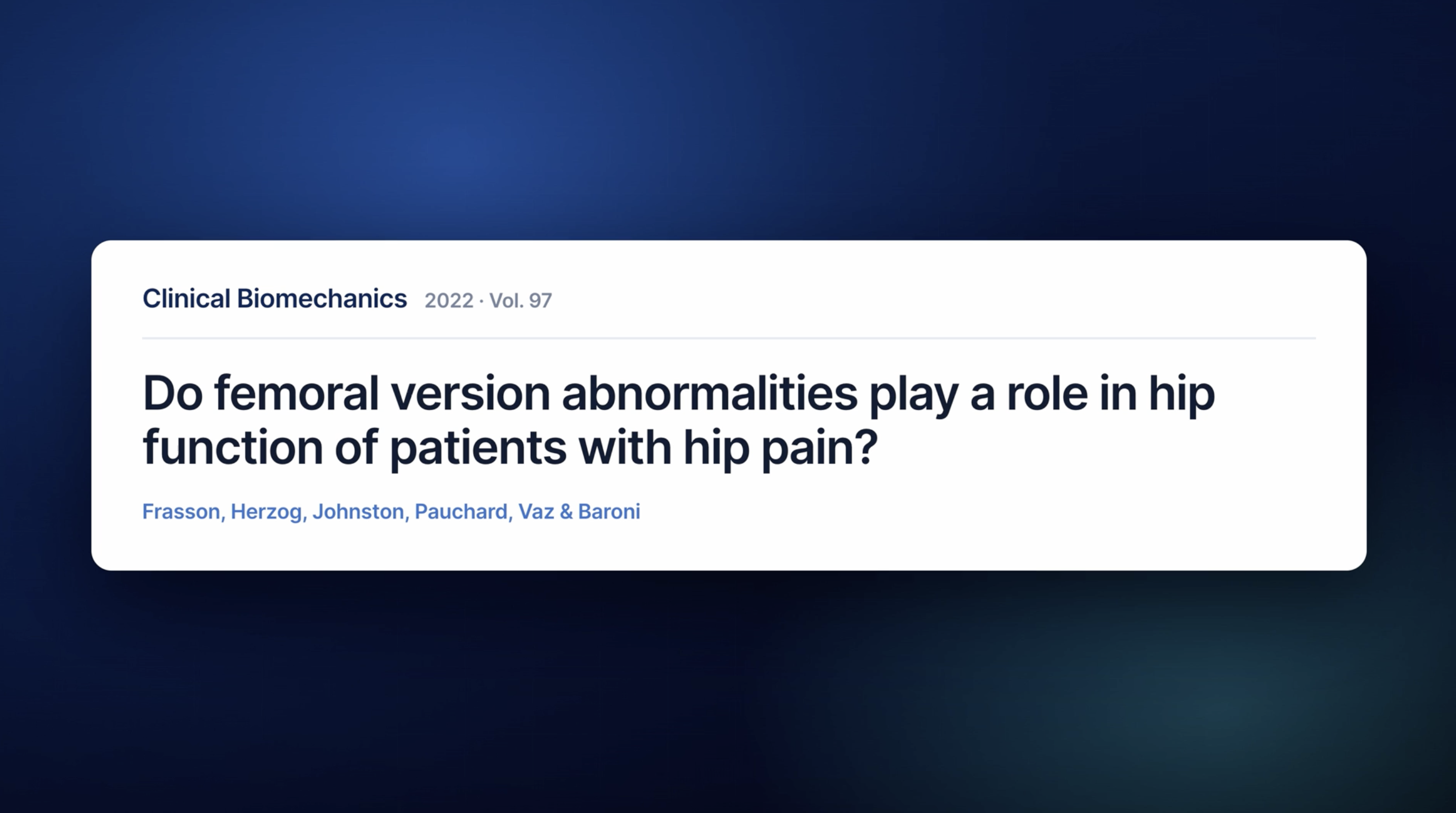
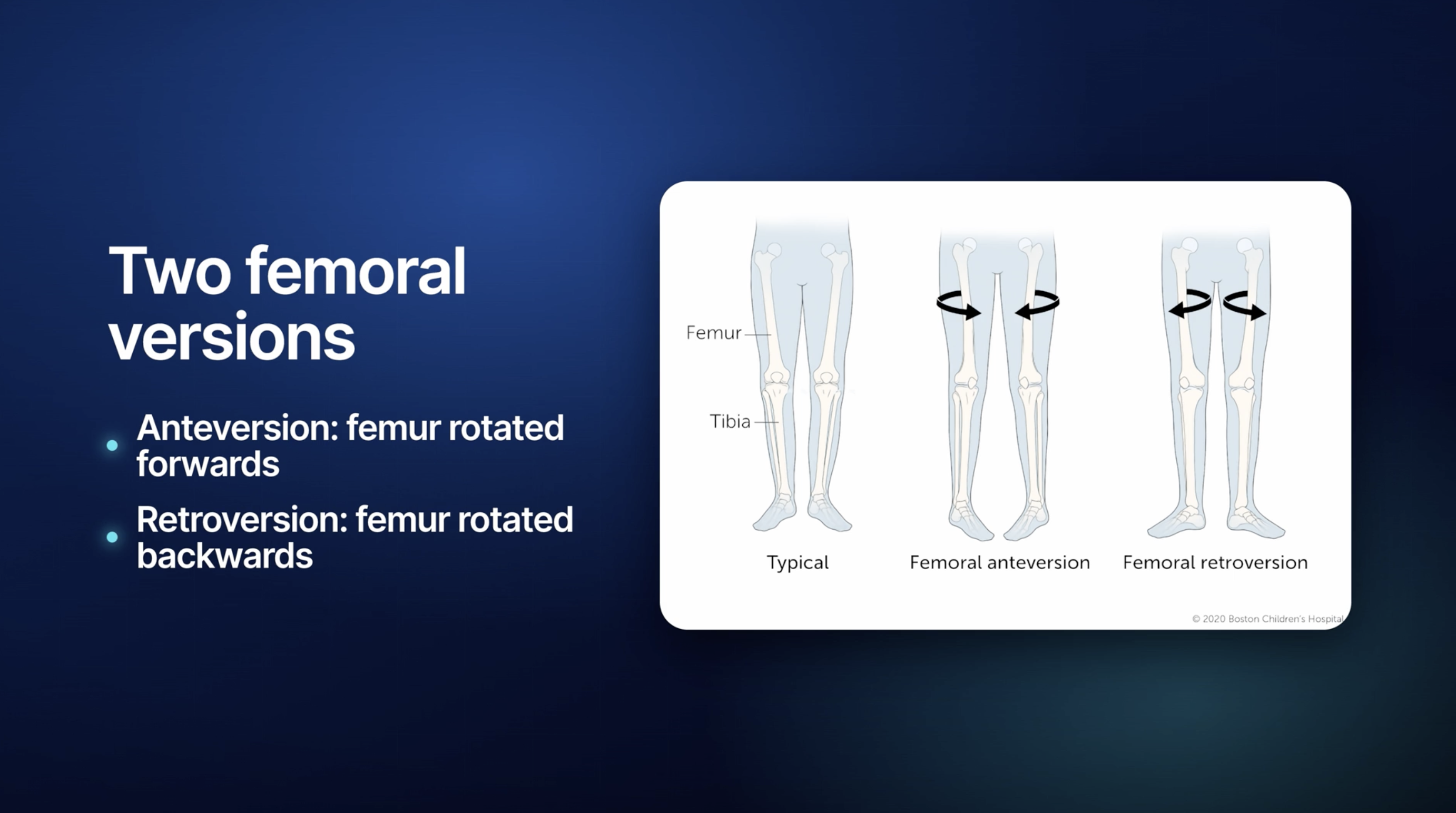
This difference comes from within. In addition to having different sizes, shapes, and angles, our hips also have different femoral versions. Femoral version is a term that describes the rotational orientation of the femur (thigh bone) in the hip socket.
Some of us have a femur that is rotated more forward, known as anteverted. Others have a femur that is rotated backward, called retroverted. These structural differences can significantly influence how our hips respond to certain movements.
Understanding these nuances can be a game-changer in how you approach your mobility routine. That's why it's crucial to tailor your exercises to fit your body's unique structure, so you avoid making your hip pain worse or causing new injuries.
The Science Behind Hip Mobility Mistakes
Anteversion and retroversion play crucial roles in determining which hip movements might help or harm you. When you force a movement that doesn't match your hip type, the risk of stress and injury to the joint and surrounding tissues goes up significantly.
For instance, if you have a retroverted hip, you will likely have more natural hip external rotation. If you have an anteverted hip, you will likely have more natural hip internal rotation. This might be why some people easily sit cross-legged in full lotus, whereas I, someone who can do the splits in every direction, will still never be able to sit in full lotus.
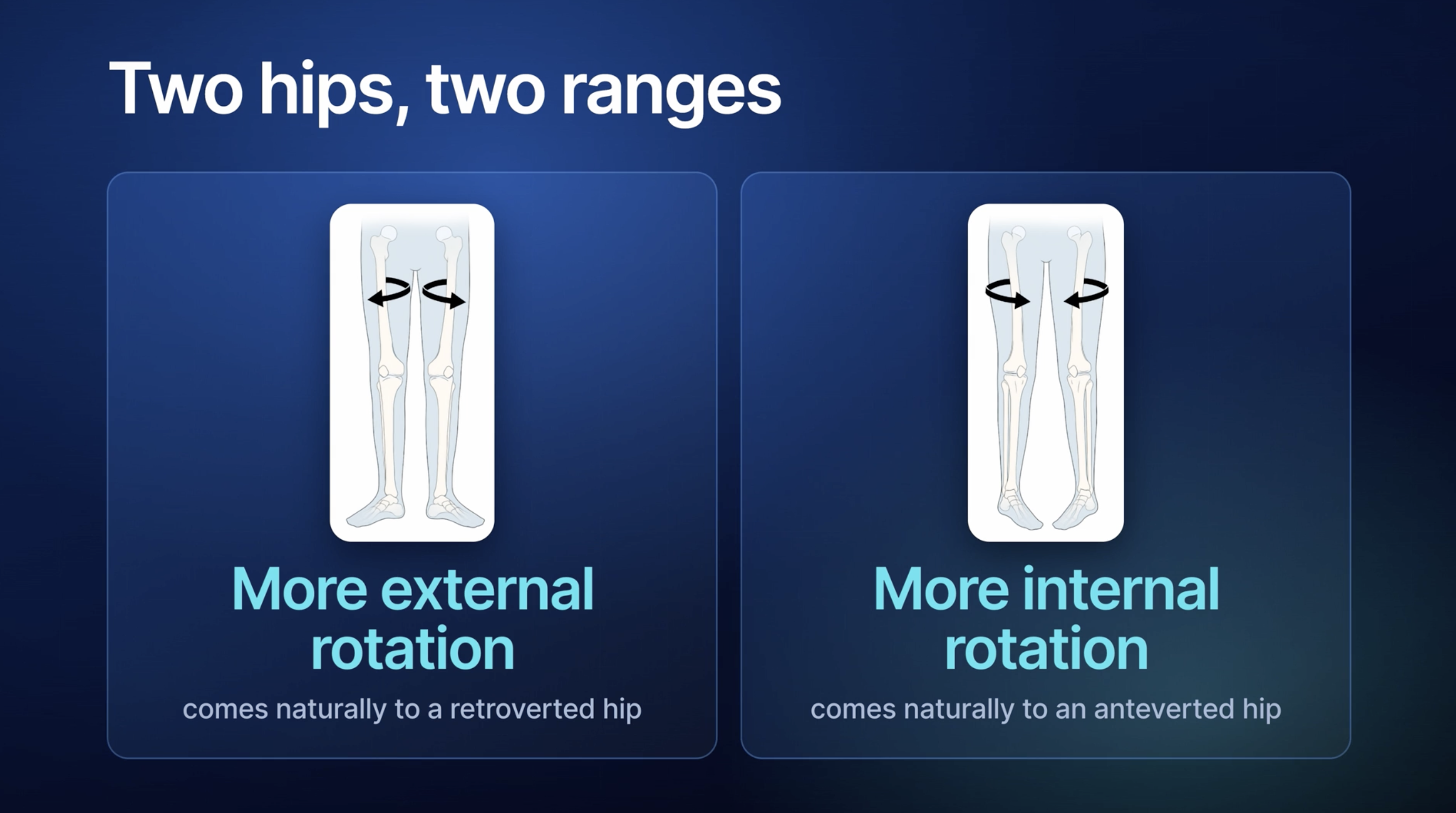
This is also why, if you have retroverted hips and keep doing exercises better suited for anteverted hips, you might be unknowingly straining your hip joint. This mismatch can lead to discomfort and long-term damage, which is exactly what happened to me.
My Story: When a Good Stretch Became a Bad Stretch
On my journey out of FAI (femoroacetabular impingement), I saw many different physical therapists, "movement gurus," yoga teachers, massage therapists, chiropractors, and more.
Each of these people had their own opinion about what was going on with my hips. But all of them agreed on one thing: I was stiff, inflexible, and needed to stretch more.
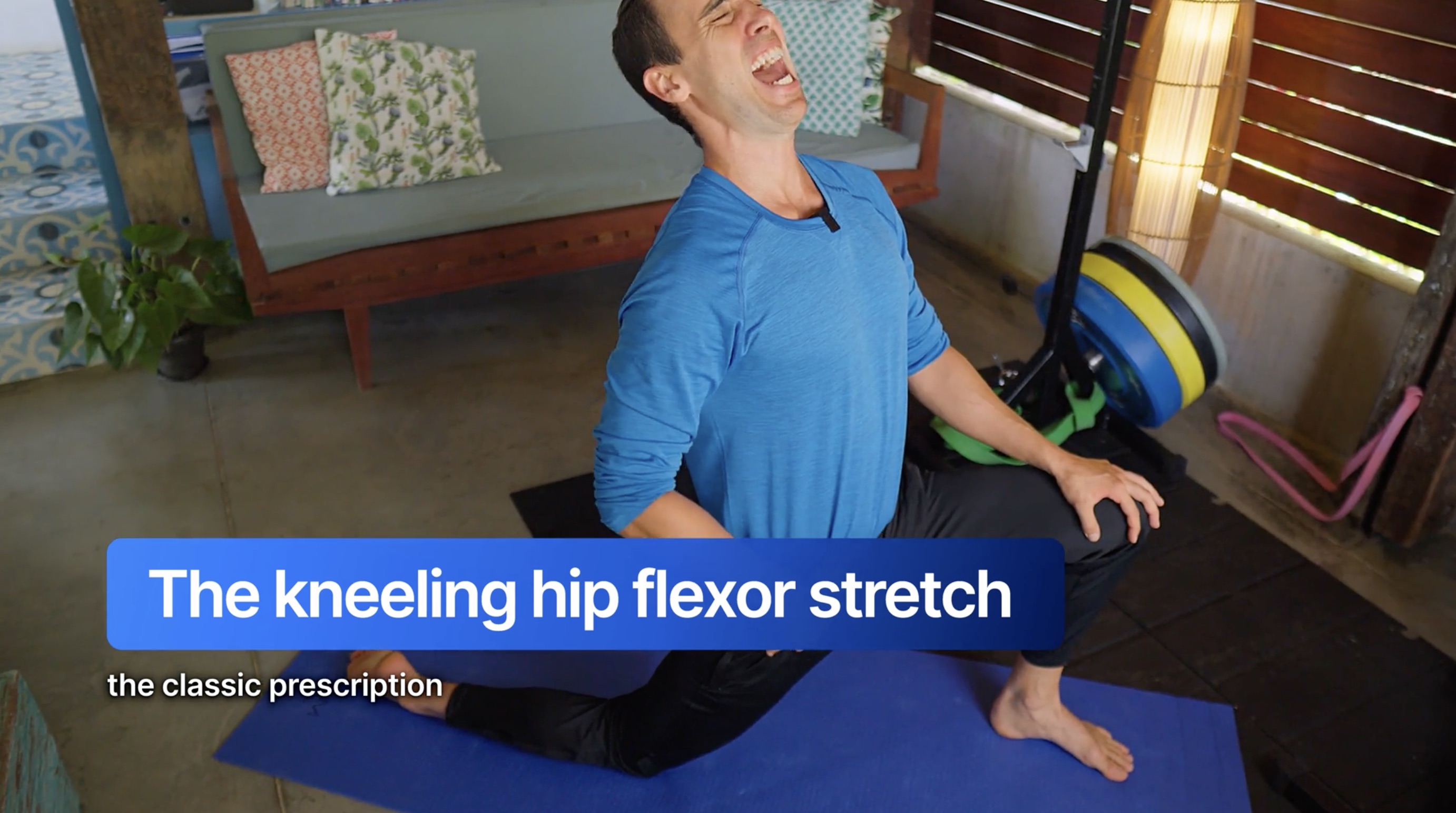
They also all recommended that I stretch my hip flexors with the classic kneeling hip flexor stretch. Unfortunately for me, that stretch always irritated my hip more than it helped.
At first, I couldn't tell the difference between an irritated hip and a tight hip, so I thought I just needed to stretch more or deeper.
Later, as I gained more experience and started deeply researching my FAI, my labral tears, and other hip issues, I realized that I had something called anterior femoral glide.
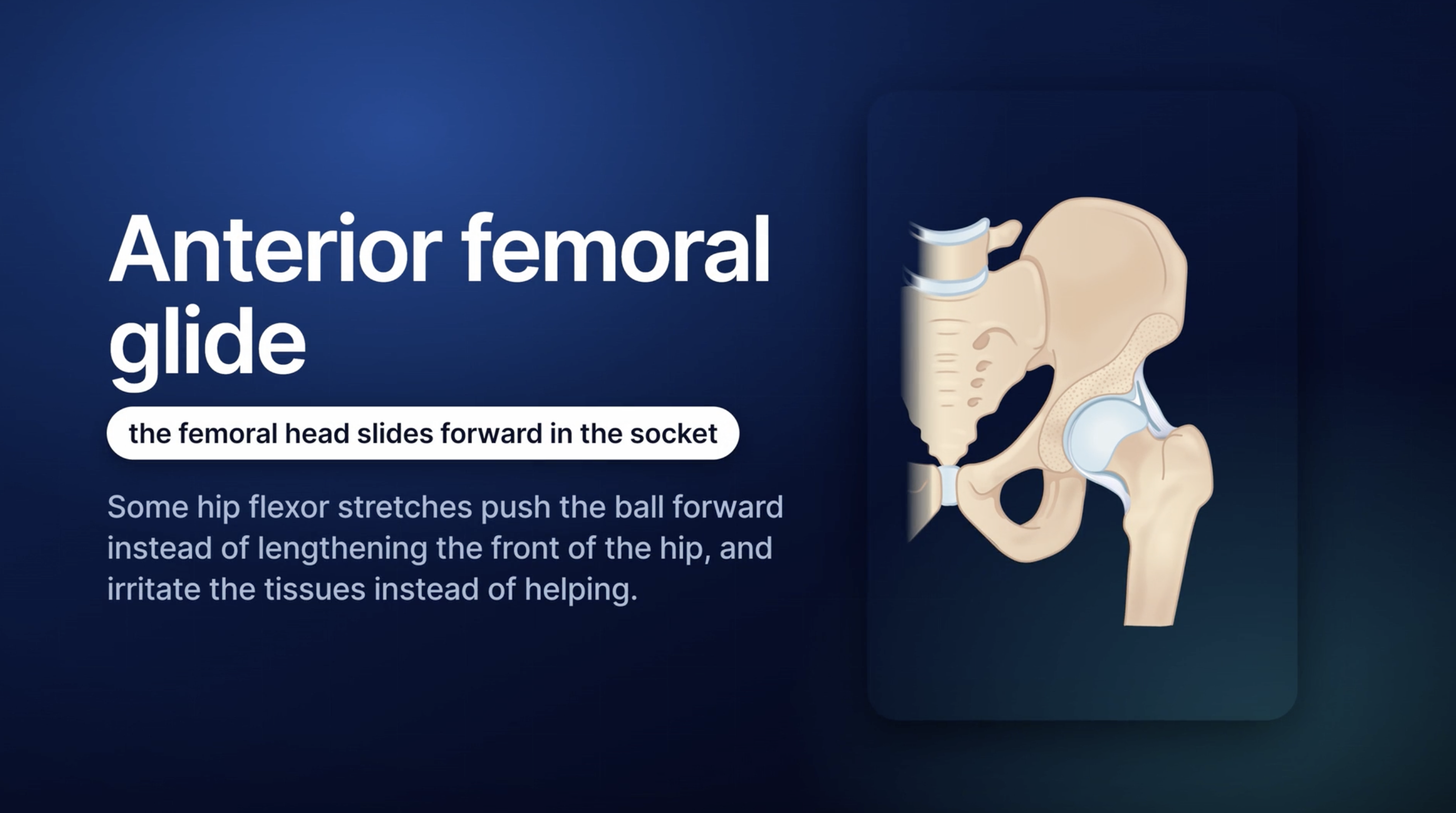
This means that when I did these commonly prescribed hip flexor stretches, my femur slightly glided forward in the socket and irritated my tissues.
In other words: a good stretch + the wrong student = a bad stretch.
Don't Throw the Exercise Away, Modify It
What I needed to do, and what I recommend to a lot of my hip pain students, is this: don't immediately throw that exercise in the trash. First, see if you can modify it to suit your body.
For example, maybe a standing version of the hip flexor stretch works better for you. Or maybe you need some of the more advanced tricks and strategies we teach in our Hip Fix program or our 1:1 coaching for hip pain.
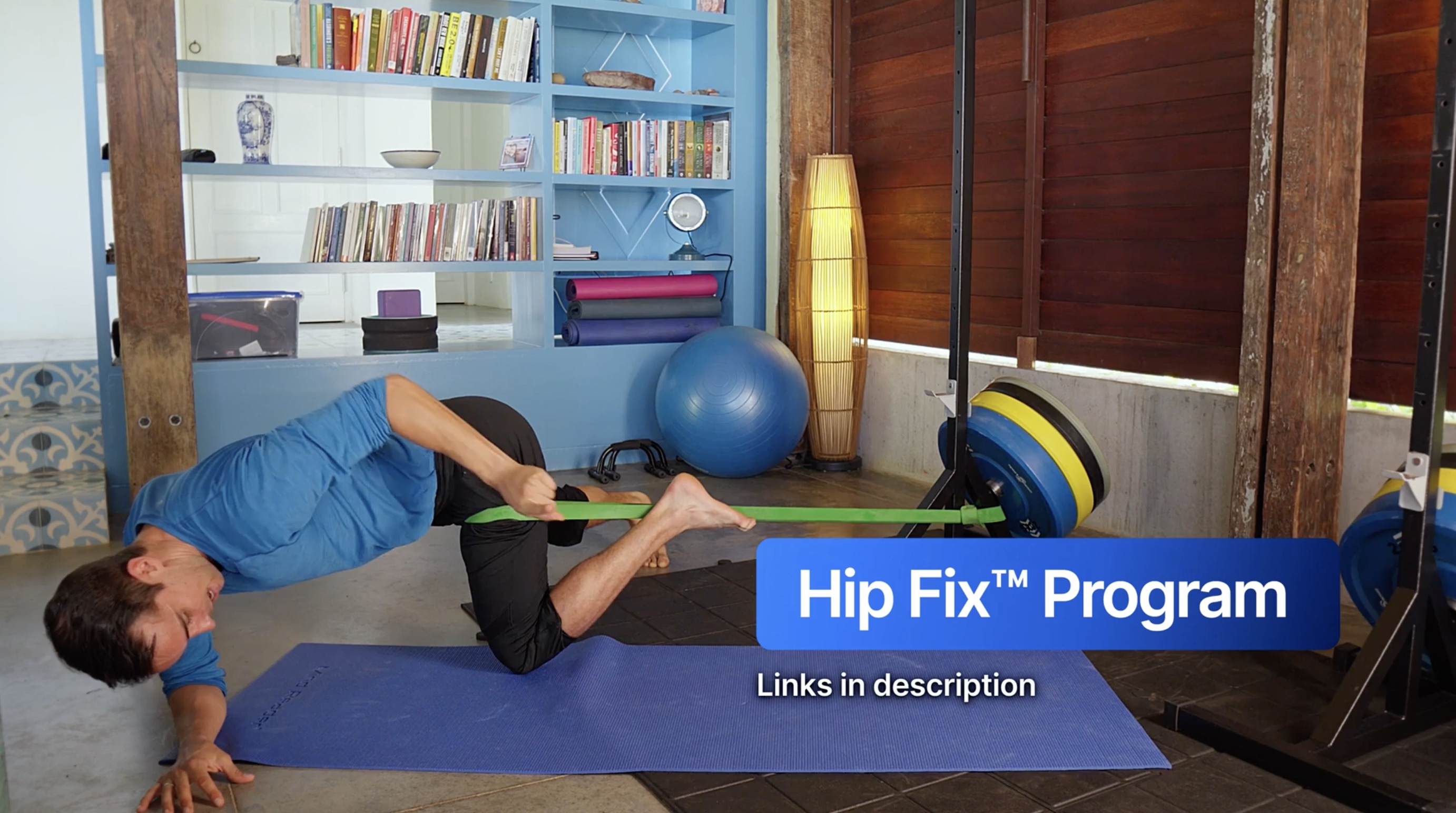
The bottom line: hip flexor stretching actually hurt me, until I started doing it my way.
As you can see, my journey out of chronic hip pain was filled with trial and error. I needed to find the right exercises for my body type. And this is something more people need to understand: personalized hip care is essential.
Why Generic Physical Therapy Can Miss This
That's why going to the generic physical therapist down the street who happens to be covered by your insurance is NOT always the best approach, AND it could be downright harmful to your hips.
Most generic physical therapists have not personally suffered from hip pain or FAI themselves, so they may not know these subtle nuances.
They will probably give you the classic "hip flexor stretch + glute bridge" combo without knowing that this combo is NOT good for everyone.
Each hip is unique and needs a tailored approach. What works wonders for one person could be harmful for another.
In my case, after years of dealing with persistent pain, I finally consulted with a specialist who explained anterior femoral glide and femoral version to me.
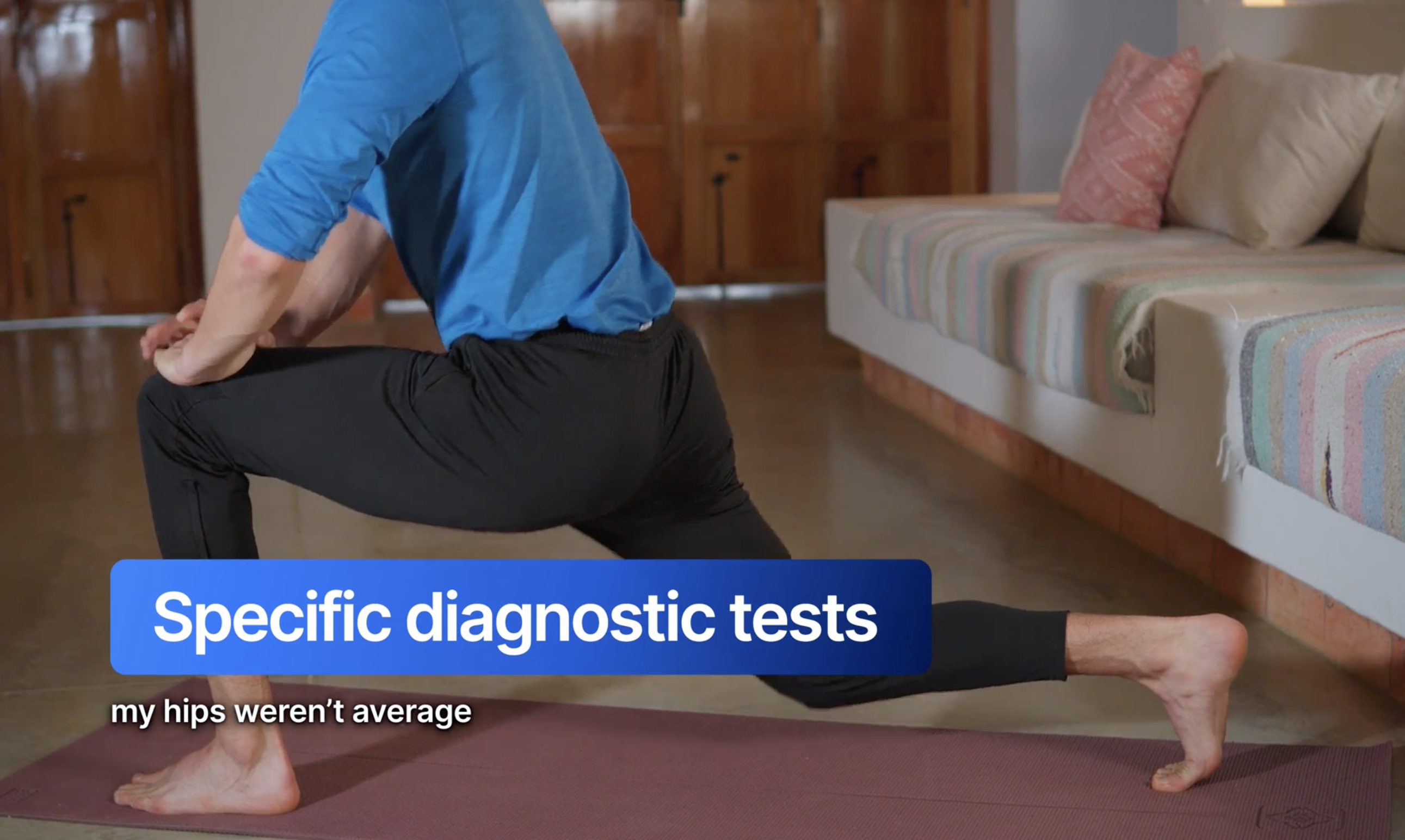
Through specific tests, we discovered that my hips were different from the average person's. This insight completely changed my exercise routine. Instead of continuing with the aggressive stretches and mobility drills that were popular online, I shifted to movements that fit my body's unique structure.
This adjustment made a dramatic difference.
My pain gradually decreased, and my mobility improved without the setbacks I used to experience almost daily. It shaped my personal health journey and also my mission to teach others how to fix hip pain with a personalized approach.
Your Bone Structure Is Not a Life Sentence
I want to make one thing crystal clear: having "less than ideal" bone structure is never a death sentence.

I don't care if you have FAI, cam morphology, pincer morphology, anteversion, retroversion, a crazy alpha angle, or anything else. No matter what your starting point is: YOU CAN GET BETTER.
Learning your femoral version or bone shape is not an excuse for why you can't improve. It's not about avoiding mobility work altogether.
It's about choosing the right type of movements for YOU.
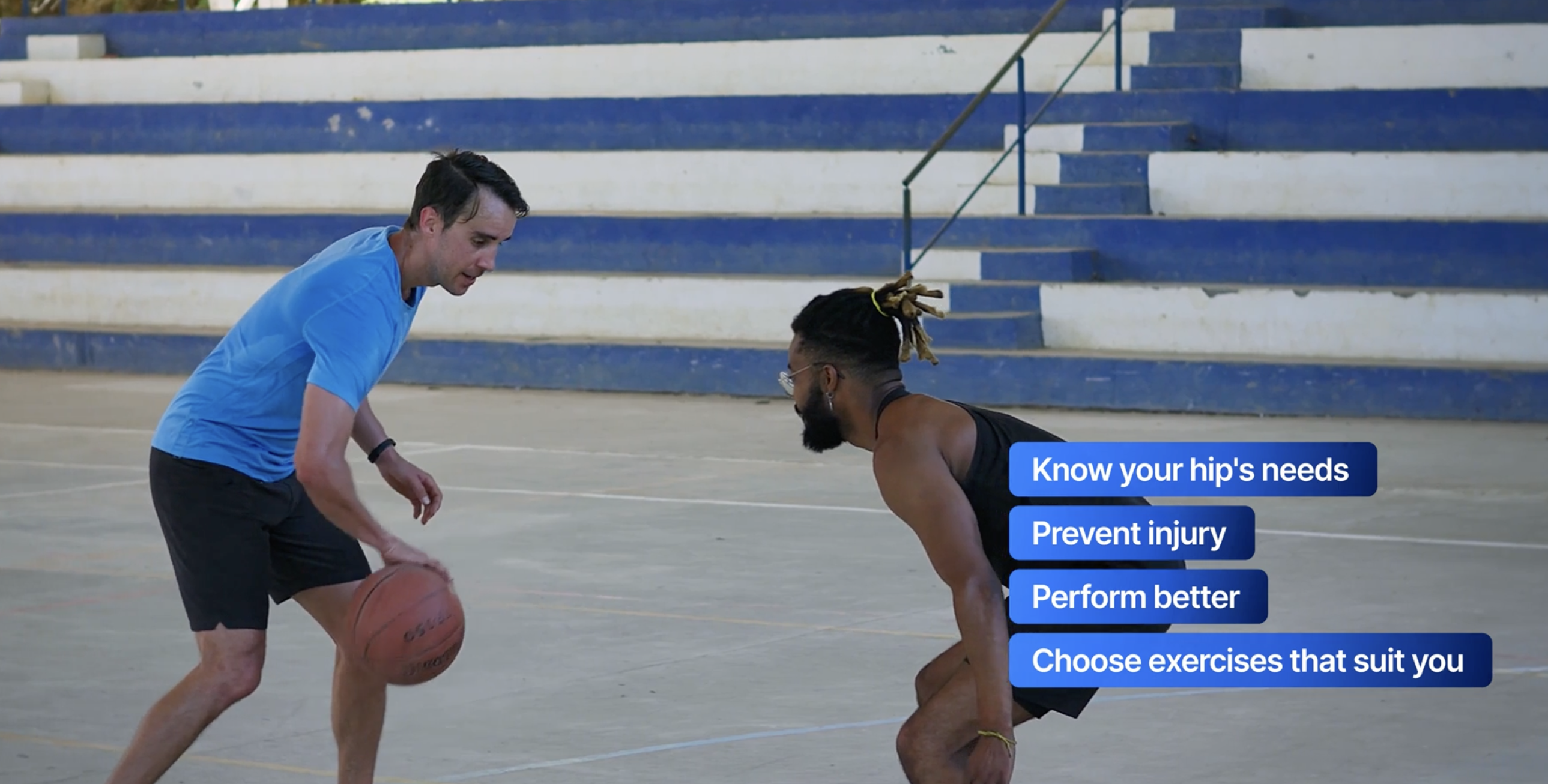
The take-home message is clear: understanding what your hips need can help prevent injury and improve your athletic performance. It helps you make informed decisions about which exercises suit you best, which leads to better results and a more enjoyable fitness experience.
Transform Your Hip Health with Knowledge
Imagine a life where you understand exactly how to take care of your hips without guesswork. Imagine moving freely, without the nagging pain that used to limit your activities. This can be your reality with the right knowledge and exercises tailored to your unique hip structure.
The long-term benefits of customized hip mobility exercises are huge: less pain, better flexibility, and better athletic performance.
These aren't just theories. They are real results that people like you and me have experienced by making smart adjustments to our routines.
Real Student Success Stories
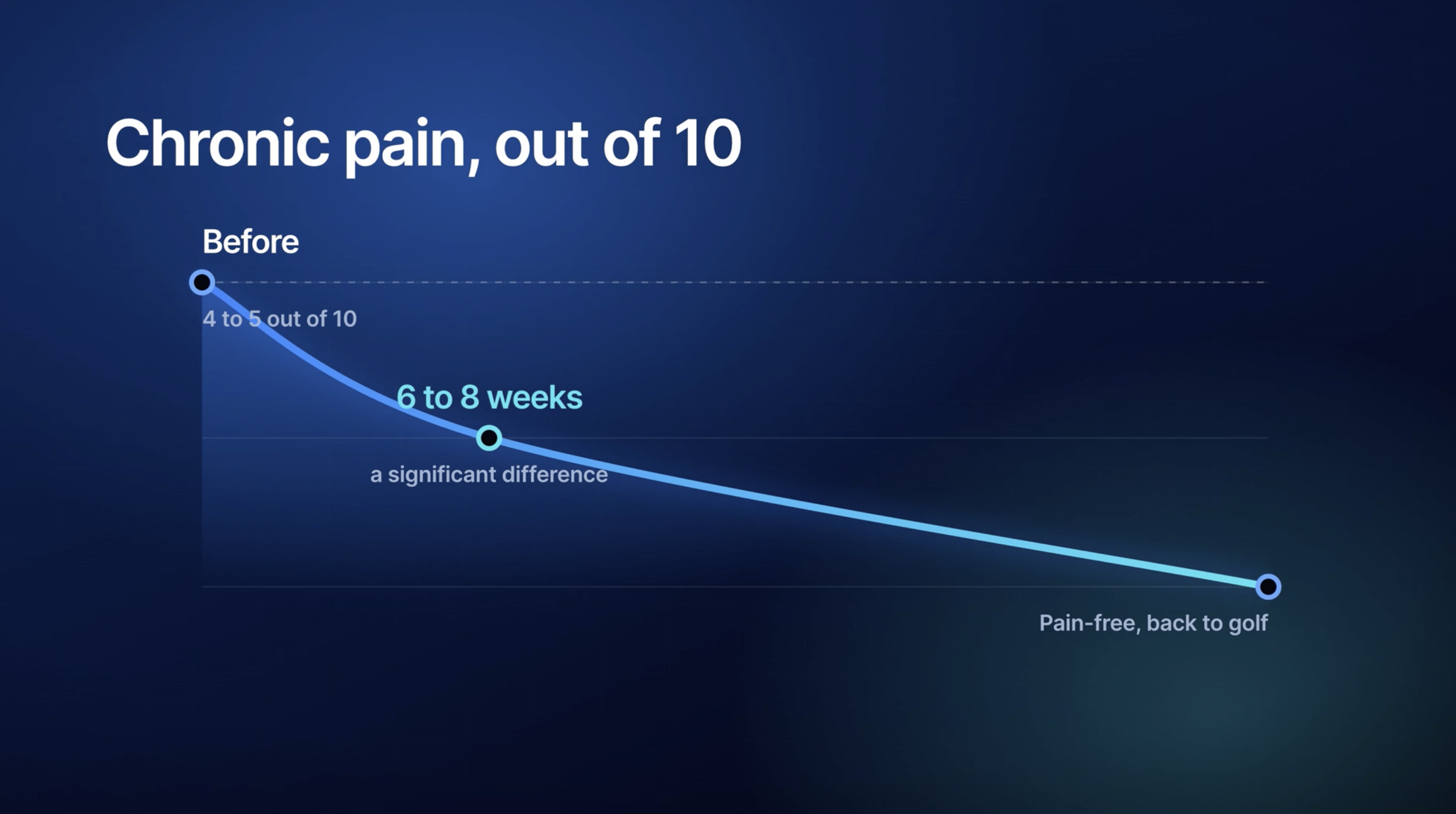
One of our students is a golfer who struggled with chronic back pain that stemmed from his hips.
He had been doing yoga for about 10 years, but the back pain kept coming back. After joining our 1:1 hip pain coaching, he went from 4-5 out of 10 chronic pain to pain-free, and he is back to the sports and activities he loves.
In his words, gaining greater mobility, flexibility, and strength in his hips "really changed the game."
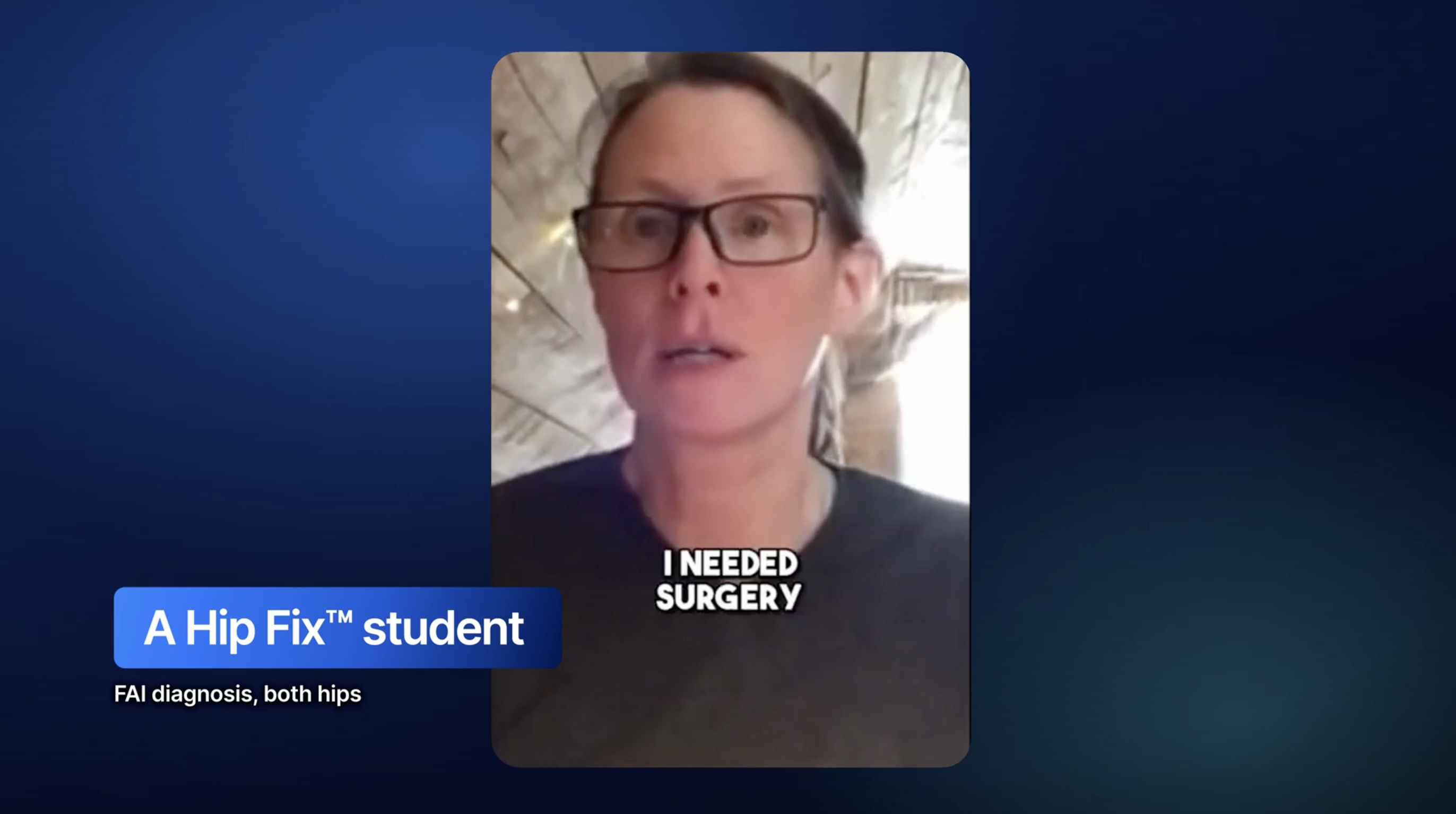
Another student who did our 1:1 coaching program shared how a personalized approach helped her heal her FAI hip pain. Watch her story here.
These stories show the importance of understanding your body's unique needs and addressing them correctly.
To help you start, we've put together free guides on how to heal your hips. You can download them for free here.
Take Control of Your Hip Mobility Today
Now that you're armed with this information, it's time to take control of your hip mobility and overall health. Don't wait for pain to become a constant companion before you act.
First, subscribe to our YouTube channel if you haven't already. We regularly share safe exercise practices, new research, and personal stories to guide your fitness journey.
Next, if you're just getting to know us and want an organized, highly effective program for hip health, check out our DIY Hip Fix program. And if you want 1:1 help, you can add 1:1 coaching with a hip specialist.
Each of the Doctors of Physical Therapy on our team has personally suffered from and overcome hip pain, labral tears, and more, so they know exactly what you're going through.
Remember, knowledge is power ONLY if you put it into action. If you're ready to take action, we are always here for you.
You're just one step away from building (or rebuilding) your perfect body.
About The Author

Shane Dowd, CES, CMP is the owner/founder of GotROM.com. He is also a sports performance & mobility coach specializing in injury prevention and flexibility for athletes.

Free download for this topic
The Ultimate Guide to Hip Impingement
How To Fix Hip Impingement Without Surgery
GET THE FREE EBOOK


