
FAI Surgery Didn't Fix Him — This Finally Did (A Physical Therapist's Story)
 By Shane Dowd , CES, CMP
FAI Surgery Didn’t Fix Him. This Finally Did (A Physical Therapist’s Story)
At 16, Ernst found the thing that made him feel alive.
Gymnastics. Parkour. Trampoline. Backflips.
Then one bad landing changed everything. A sharp pain hit his groin and hip. He thought it would go away in a few weeks...
But it didn’t.
For months, he could barely walk without crutches. His friends had to push him on his bike just to get to school. They joked and called him “our disabled buddy.” He laughed along. But inside, he was frustrated.
He had just found something he loved. And suddenly, it was gone. What followed was years of confusion, conflicting opinions, and surgery that didn’t fully solve the problem.
Today, Ernst is 27. He lifts. He moves freely. He does the splits without warming up. He’s back to backflips.
And now, he’s a licensed physical therapist running his own clinic in Slovakia. This is how he got there...
From Backflips to Crutches
Ernst didn’t grow up as an athlete.It wasn't until he was 14 or 15 that a friend taught him a backflip on a trampoline. Something clicked instantly. He went all in.
From that day on, he was obsessed. He joined a local gymnastics club. He got into parkour, freerunning, and tricking. These are heavy-impact sports, and he threw himself into them completely.
Then one day, a bad landing changed everything.
The impact hit his hips hard during a forward flex movement. The pain showed up immediately in his groin and the inner part of his hip and thigh. He assumed it would fade in a couple of weeks...
But it didn't.
The pain got so bad that for nearly half a year, Ernst couldn't walk any meaningful distance without crutches. He had to strap them to his bike just to get to school. His friends had to push him because he couldn't pedal hard enough.
He was a teenager who had just discovered what he loved and all of it had been taken away in a single moment.
Specialists, Surgery, and No Clear Direction
Ernst started looking for answers. Doctor after doctor. Different opinions every time. Some said his bones were the issue. Others suggested structural problems. The explanations didn’t fully line up. Even without a medical background, he could tell something was off.
But when you’re in pain and looking for relief, you listen to the people who are supposed to have answers... So he went through surgery. He also found out he had hip dysplasia. His hips were structurally different from birth.
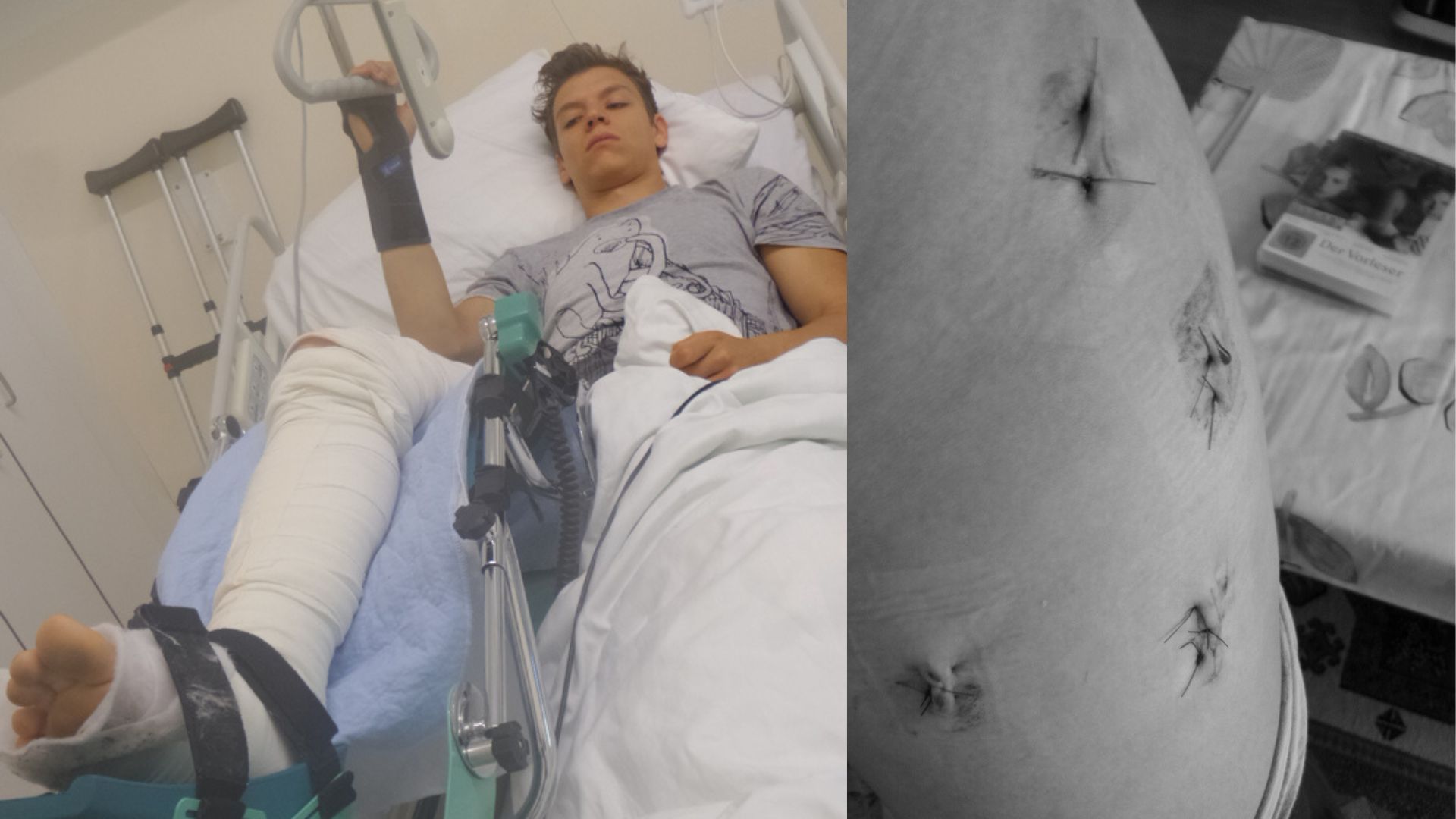 The surgery addressed part of the issue. But the pain didn’t disappear the way he expected. What he didn’t understand at the time was this: Surgery can solve one problem while creating another.
Scar tissue forms. Muscles are cut through. Movement changes.
“I didn’t know at the time… they might fix the bones, but they’re creating another problem by cutting through living tissue.”
Over time, his hip became more restricted. Muscles stopped working the way they should. Tightness built up. Compensation patterns stacked on top of each other.
He had gone through a major intervention. But he still didn’t have a real solution.
One Percent Better
After surgery, Ernst could have given up. Instead, he made himself a simple promise. Find one thing that makes the hips 1% better. Then find 99 more.
That mindset led him to GotROM.
What stood out immediately was the structure. Most programs treated tissue work as optional. This one didn’t. It put it at the base of everything.
“Nobody explained it like that… that tissue work is the foundation.”
So he committed.
He studied the system. While others were relaxing, he was learning. Trying to understand what his body actually needed. Then he started applying it.
It wasn’t exciting. It was repetitive. Sometimes uncomfortable. But things started to change.
The Shift Most People Miss
One of the biggest things Ernst learned was this: Stretching alone is not enough.
If there is a restriction in the muscle, stretching pulls on everything except the problem area. It is like pulling a rubber band with a knot in the middle. The ends stretch. The knot doesn’t.
That is why people feel stuck. The real shift happens when you change the order.
First, you release the restriction.
Then you stretch.
Then you retrain the movement.
“If you make the tissue healthy first, flexibility improves almost without effort.
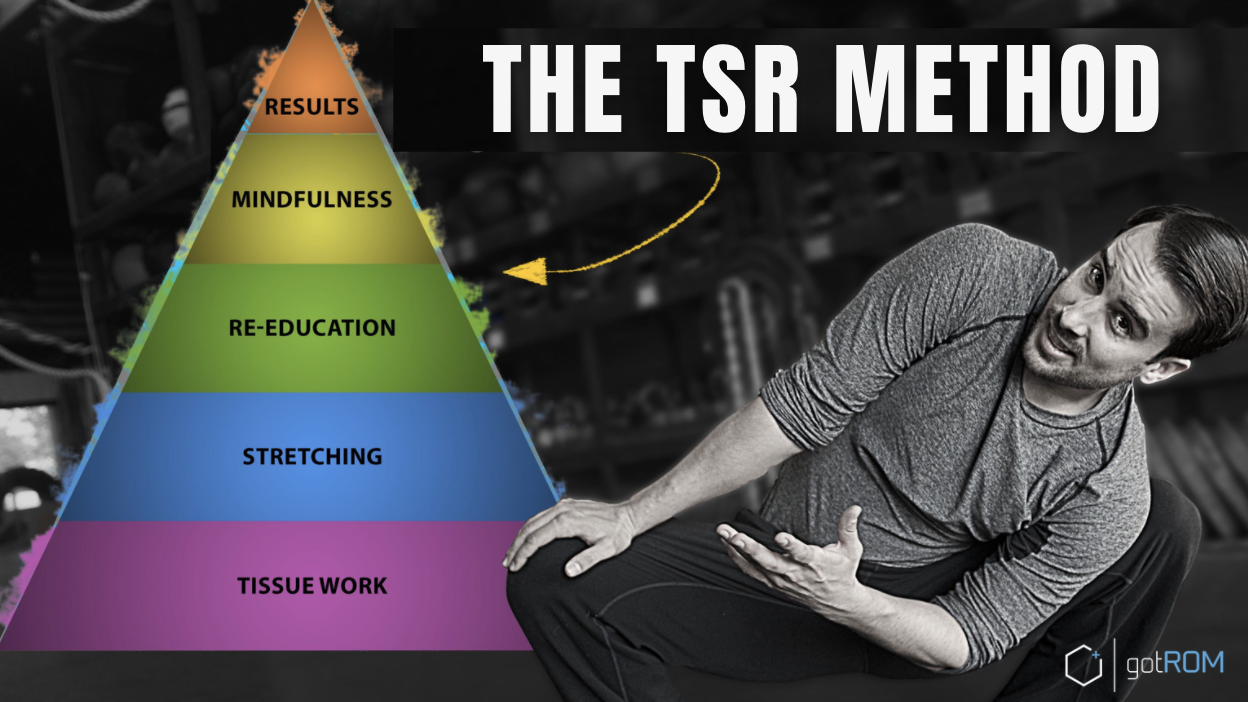
This is the TSR sequence: Tissue work, then Stretching, then Re-education. In that order, for a reason.
He also realized something else. Mindless tissue work does not work. If you are distracted, rushing, or just going through the motions, your body does not respond the same way. This requires attention. Intention. Consistency.
What Actually Fixed It
Once Ernst started following a structured process, things became clearer.
Instead of guessing, he worked through a system:
- Find the real restriction, not just the painful area
- Release tight or scarred tissue
- Stretch with purpose
- Retrain proper movement
- Build strength on top of it
For him, the biggest issues were around the hip muscles affected by surgery and long-term compensation. Things were not activating properly. Other areas became overworked. It took time to unwind. But step by step, it worked.
He went from relying on crutches… To lifting, jumping, and moving freely again.
Where He Is Now
Ernst is now 27. Here is what he can do today:
- Deadlift and squat without pain
- Do the splits without warming up
- Train explosive movements again, including backflips
- Run his own physical therapy clinic in Slovakia
The same person who once struggled to walk to school is now helping others get out of pain.
“I contribute most of my health to the TSR System… not to the surgery.”
What Ernst Wants You to Take From This
After going through surgery and years of frustration, here's what Ernst says matters:
- Tissue work is not optional. It is the foundation
- Stretching without addressing restrictions is limited
- The body compensates, which can hide the real problem
- Recovery requires the right sequence, not just effort
- Consistency with the basics beats random fixes
“The boring things are what allow you to do the things you actually want to do.”
The Cost of Staying Stuck
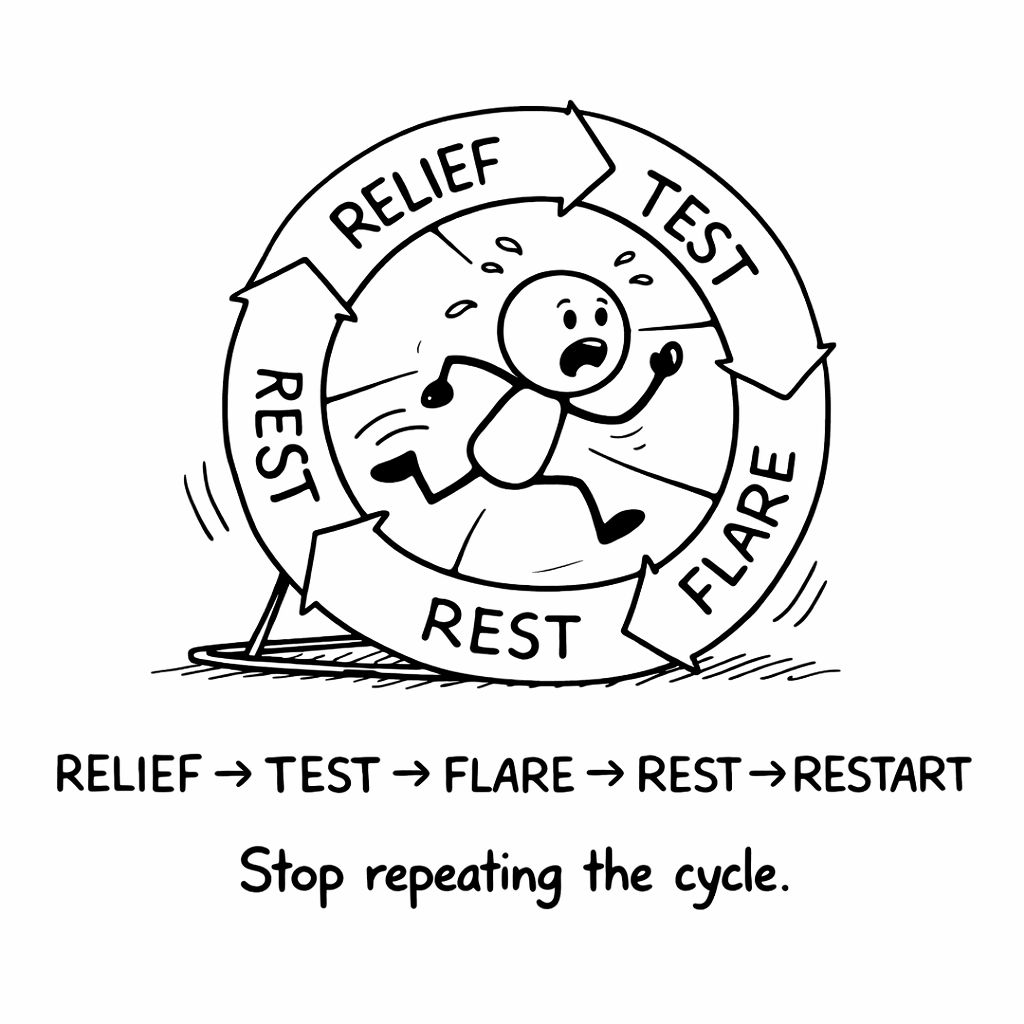
Ernst spent years trying to figure this out. Years dealing with pain. Uncertainty. Trial and error.
The longer you stay in the wrong approach, the more your body adapts around the problem. Compensation builds. What could have been a shorter process becomes a much longer one.
Pain does not just affect your body. It takes away how you train, how you move, and how you see yourself. The real question is not whether this can improve...
It is how long you are willing to stay stuck before doing something that actually works.
Ready to Stop Guessing?
Ernst went from crutches and surgical scars to deadlifting, doing the splits, and running his own physio clinic — by applying the right system, in the right order, consistently. You can do the same.
He rebuilt his body by following a structured system and sticking to it. That same system is what The Hip Fix™ Program is built on.
Inside, you will learn how to:
- Release tight and restricted tissue
- Improve mobility the right way
- Restore proper movement patterns
- Build strength on a solid foundation
And if at any point you feel stuck or unsure, there is an option to get additional guidance from a team that understands this process.
You start with the program. Then, if you want more support, you can choose to add coaching.
👉 Start with The Hip Fix™ Program and begin restoring your hips today.
About The Author

Shane Dowd, CES, CMP is the owner/founder of GotROM.com. He is also a sports performance & mobility coach specializing in injury prevention and flexibility for athletes.

Free download for this topic
The Ultimate Guide to Hip Impingement
How To Fix Hip Impingement Without Surgery
GET THE FREE EBOOK


