
I Spoke One-on-One With a Thousand People Who Had Hip Pain. Here's What I Learned.
 By Shane Dowd , CES, CMP
Over the past several years, I have had hour-long conversations with over a thousand people dealing with hip pain. Not group calls. Not webinars. One person, one hour, one story at a time.
People who had found GotROM, who knew our reputation in the hip impingement and FAI space, and who were applying to work with us one-on-one.
Before anything else, I always asked them the same question:
What have you already tried?
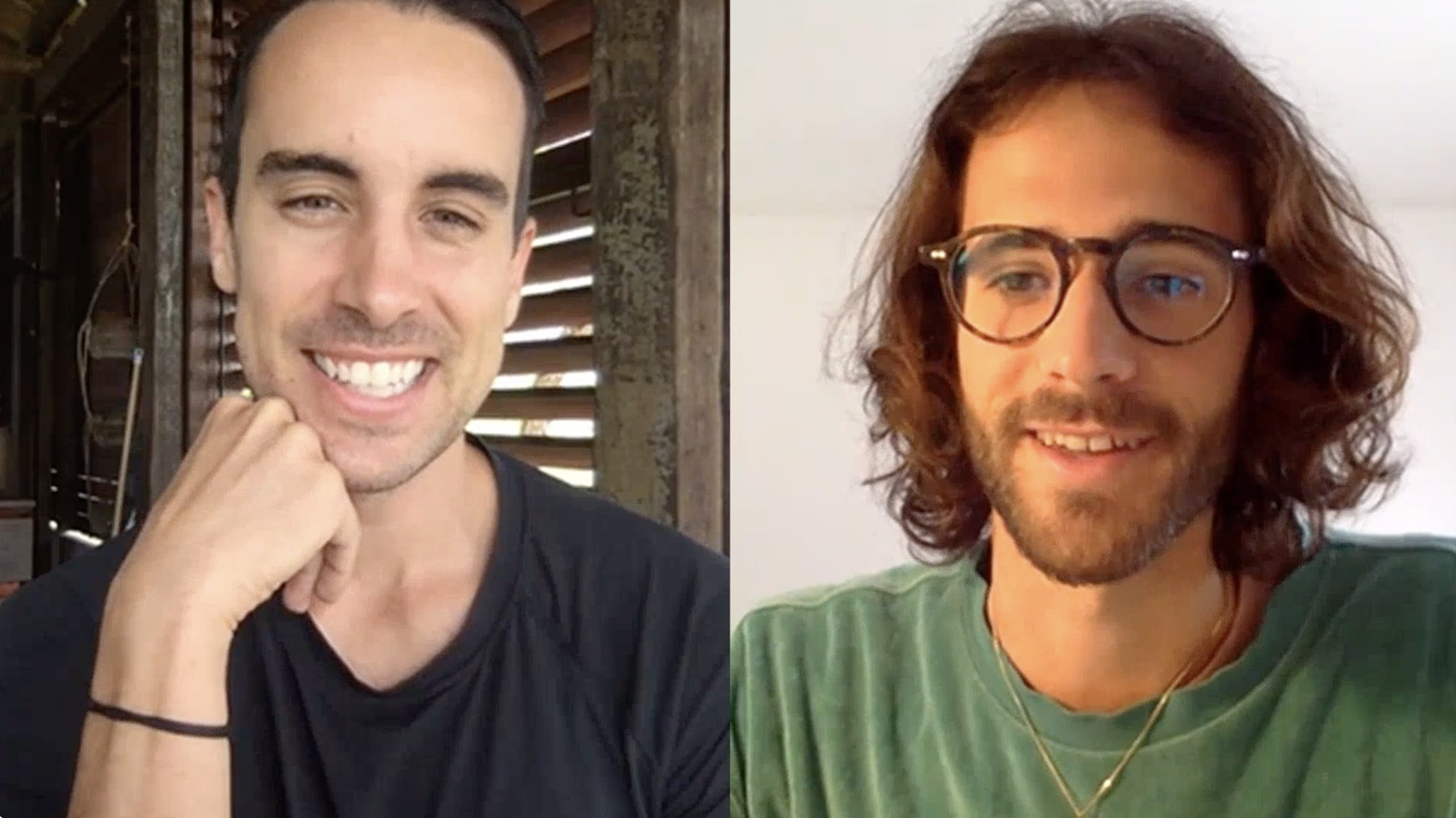
After several hundred conversations, the answer became so consistent it was almost word for word the same every time.
And what I heard, repeated over and over by people from different countries, different ages, different activity levels, broke my heart a little. Not because their situations were hopeless. But because every single one of them had been failed by a system that was never designed to actually solve their problem.
The Same Story, a Thousand Times
It goes like this.
The hip starts hurting. They go to their doctor. The doctor orders X-rays and an MRI. The imaging comes back showing some kind of abnormality, a cam lesion, a labral tear, some structural finding that becomes the explanation for everything.
What nobody tells them, at least not in that appointment, is that these findings are often normal anatomic variants that exist in people with zero pain. The imaging found something. That does not mean that something is the cause.
But the path is set.
The doctor says: try some physical therapy. If that doesn't work, we'll do a cortisone injection. If that doesn't work, we'll talk about surgery.
So they try physical therapy. Usually a few sessions with a generalist who has a passing familiarity with hip impingement, who has certainly never lived it themselves, and who runs them through a set of fairly generic exercises learned in school. It helps a little. Not enough. They go back to the doctor. The injection happens. There is some relief, for a while. Then the pain returns.
Now they start looking on their own. A friend recommends their massage therapist. Someone else suggests acupuncture. They try a chiropractor. They find some gadgets online that promise relief. They discover YouTube and start following mobility teachers, because someone told them their hip is stiff and stretching might help. They try yoga, which is a group stretching class, not a specialized program designed around their specific condition.
Each of these things provides a little something. None of them solve it.
And by the time they find me, most of them have quietly arrived at a conclusion that is both completely understandable and completely wrong: that they have exhausted the non-surgical options, and that the operating table is probably inevitable.
They have not exhausted the non-surgical options. They have exhausted the generic ones. And those are not the same thing.
What Was Actually Missing
I know this journey intimately because I lived it myself.
I spent twenty-six thousand dollars over five years trying treatments that did not work. I saw the doctors, got the imaging, did the physical therapy, received the injections. I was told, at multiple points, that surgery was the logical next step. I was dealing with cam morphology and FAI in my right hip, the exact conditions that the system had decided required a procedure.
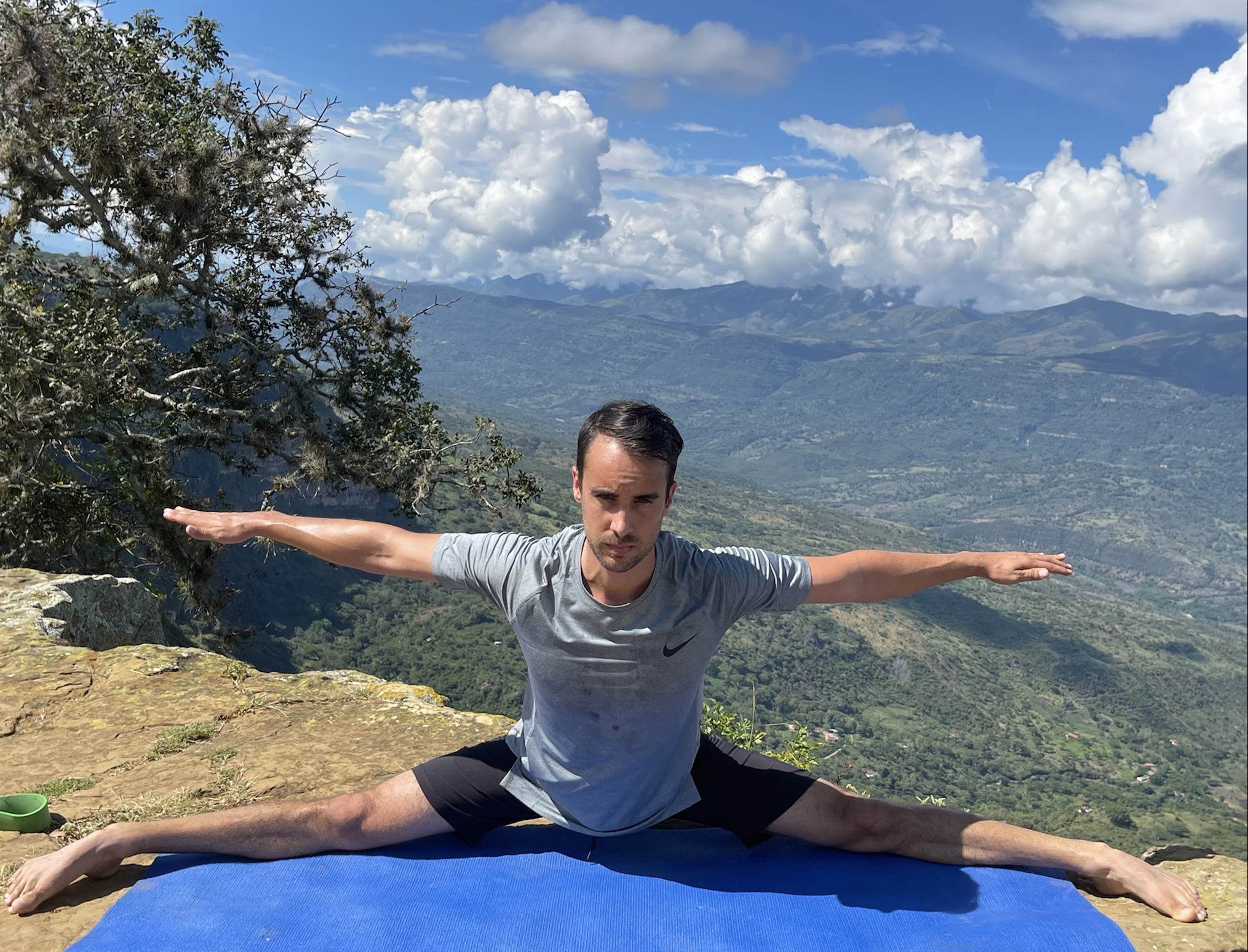
I never had the surgery. Today I can do the splits in every direction. I still have the cam morphology. The hip that was supposedly headed for an operating table is now one of the most mobile, functional, pain-free parts of my body.
What changed was not my anatomy. What changed was the approach.
Looking back at those thousand conversations, and at my own journey, the missing piece was never more treatment. It was the right treatment, delivered in the right way, by the right person. And that person, I came to understand, needs to be someone who has actually lived this condition. Not just studied it. Lived it.
Because there is a quality of understanding that only comes from having been inside the problem yourself, from knowing what it feels like to load a hip that is about to flare, from understanding the fear and frustration of doing everything you are told and still not getting better.
Every person I spoke with had seen competent, well-meaning clinicians. What they had never had was a specialist who combined genuine personal experience with deep clinical expertise and the kind of holistic, personalized approach that addresses all the dimensions of the problem at once.
That combination, it turns out, changes everything. And it is almost nowhere to be found in the standard system.
The Truth About Surgery
I want to be careful here, because surgery is the right answer for some people. There are cases where the structural problem is severe enough, and the conservative options have been genuinely exhausted, that an operation is the most responsible path forward. I have never told anyone categorically to avoid surgery.
But I do think everyone considering it deserves to know what the research actually shows.
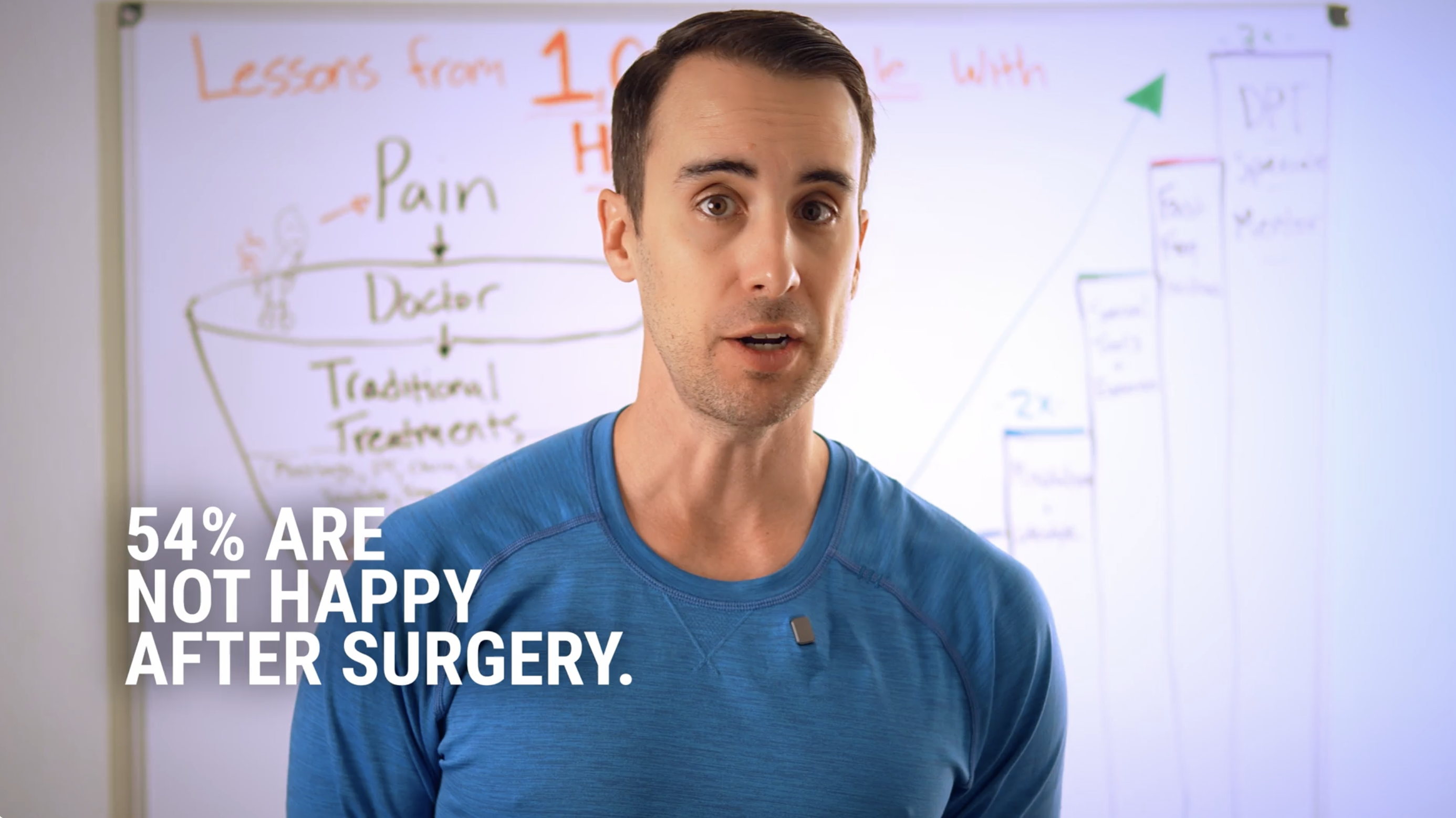 That number stopped me cold the first time I encountered it. After two years, fewer than half the people who had hip surgery say they are genuinely happy they did it. And that is before accounting for the recovery time, the surgical risks, the cost, and the very real possibility that the underlying movement patterns and lifestyle factors that contributed to the problem in the first place are still there, unchanged, on the other side of the procedure.
Surgery does not teach you how to move better. It does not address muscle imbalances or mobility deficits or the habits that loaded the joint incorrectly for years. It fixes a structural problem, sometimes elegantly and effectively. But the body you bring into the operating room is the same body you bring out.
What you do with it afterward is what determines the long-term outcome. And most people, in my experience, have never been given a real plan for that part.
What the Right Help Actually Looks Like
In those thousand conversations, I was always trying to convey something that is genuinely difficult to convey in an hour.
What we offer at GotROM is not another version of what these people had already tried. It is a fundamentally different category of help. And the honest truth is that I built it the way I built it because it is the thing I desperately needed when I was twenty-six thousand dollars deep into treatments that were not working.
It starts with specialization.
Our Doctors of Physical Therapy do not treat everything. They treat hip pain, hip impingement, FAI, and labral tears. This is not a condition they read about in a textbook.
It is a condition they have lived, studied obsessively, and spent years developing real expertise in helping people recover from. That depth of focus produces a quality of understanding that a generalist, however talented, simply cannot replicate.
On top of that, every coach on our staff is what I call a three-in-one. A Doctor of Physical Therapy, a flexibility and mobility specialist, and a strength and conditioning coach, all in one person.
I spent years looking for people like this because I know from my own recovery that all three dimensions are necessary.
You cannot strength train your way out of a mobility deficit. You cannot stretch your way out of a weakness. You need someone who understands how all three interact, who can build a program that addresses the whole system rather than treating symptoms in isolation.
And then there is the thing that I think matters most of all: personalization. When someone works with us one-on-one, they get a plan built around their specific body, their specific history, their specific limitations and goals. And they have access to fast, personalized responses from their actual specialist, within twenty-four to forty-eight hours, from someone who knows their case, who can see how the body is responding, and who can adjust the program in real time. Not a customer service team. Their coach. Who knows their name and their story and exactly where they are in the process.
I know that this works because I have watched it work, over and over, for people who came to me convinced they were out of options. And I have the testimonials and case studies to back that up, from people who were exactly where you might be right now.
There Is Another Way
I want to speak directly to anyone reading this who recognizes their own story in what I have described.
If you have tried a round of physical therapy and it did not fix it, you have not tried everything. You have tried generic physical therapy from a generalist. That is a starting point, not a ceiling.
If you have had an injection that provided temporary relief and then wore off, you have not failed. You have learned that managing inflammation without addressing the underlying drivers does not produce lasting results. That is useful information, even if it did not feel that way at the time.
If you have been told that surgery is the next logical step, I am not here to tell you to refuse it. I am here to tell you that there is a conversation worth having first, with someone who specializes in non-surgical solutions for your exact condition, before you make that decision.
Because in my experience, most people who believe they have run out of non-surgical options have not actually run out. They have just never been shown what a genuinely comprehensive, personalized, specialist-led approach looks like.
The path I walked, from twenty-six thousand dollars of failed treatments to doing the splits with a hip that still has cam morphology, is not a miracle. It is not a story about exceptional genetics or extraordinary luck. It is the result of finally finding the right framework, the right guidance, and committing to it with the consistency it required.
That path is available to you. I know because I have watched ordinary people walk it, one after another, for years. People who were deflated and exhausted and had quietly decided that this was just what their life was going to feel like now. People who came out the other side moving freely, training again, living without the constant negotiation with pain that had become their normal.
Your hip is not a lost cause. You just have not found the right help yet.
Where To Start
At GotROM we have two options depending on where you are and what you need. The Hip Fix™ Program is our do-it-yourself solution, a comprehensive program built specifically for hip impingement, FAI, and labral tears, designed by specialists who have lived this condition and helped thousands of people work through it.
It is everything you need to start addressing the real drivers of your hip pain, available immediately, for just $147. If you want more than a program, the Hip Fix one-on-one coaching upgrade connects you directly with one of our three-in-one specialists for the kind of personalized, responsive guidance that I described above. Spots are limited and go quickly.
Either way, the place to start is the same.
As always, remember that you’re just one step away from building (or rebuilding) your perfect body.
About The Author

Shane Dowd, CES, CMP is the owner/founder of GotROM.com. He is also a sports performance & mobility coach specializing in injury prevention and flexibility for athletes.

Free download for this topic
How To 10X Your Flexibility
An Insider's Guide to Accelerated Gains
GET THE FREE EBOOK


