
The Sick Care™ Trap: Inject. Cut. Repeat.
 By Shane Dowd , CES, CMP
You know that classic scene from Star Wars where someone says, “It’s a trap”? That’s honestly how I feel about the modern “sick care” system. Not because it’s completely wrong, but because of how easily people get pulled into it without realizing where it leads.
How Most People End Up in the Same Cycle

Over a decade ago, I was dealing with persistent hip and back pain. Like most people, I went to the doctor hoping to get answers and a clear plan forward.
After the X-rays and MRIs, I was given a diagnosis: FAI, a labral tear, and even a bone cyst. At the time, that felt like progress. But what I didn’t realize was that I had just entered a system that follows a very predictable sequence.
First comes generic physical therapy, usually whatever is covered by insurance. When that doesn’t fully solve the issue, the next step becomes injections or painkillers. And if the pain continues, surgery is presented as the next logical option.
The Real Issue Isn’t the Tools. It’s the Order
To be clear, I’m not against any of these interventions. Injections can be useful in certain cases, painkillers can help when symptoms are severe, and surgery has its place when truly necessary.
The problem is not that these options exist. The problem is that most people are pushed toward them before they’ve actually addressed the root cause of their pain.
What happens as a result is a cycle of temporary relief. Symptoms improve for a short time, then return, often stronger or more persistent than before. Each time that happens, the next step in the system becomes more aggressive.
Why So Many People Stay Stuck
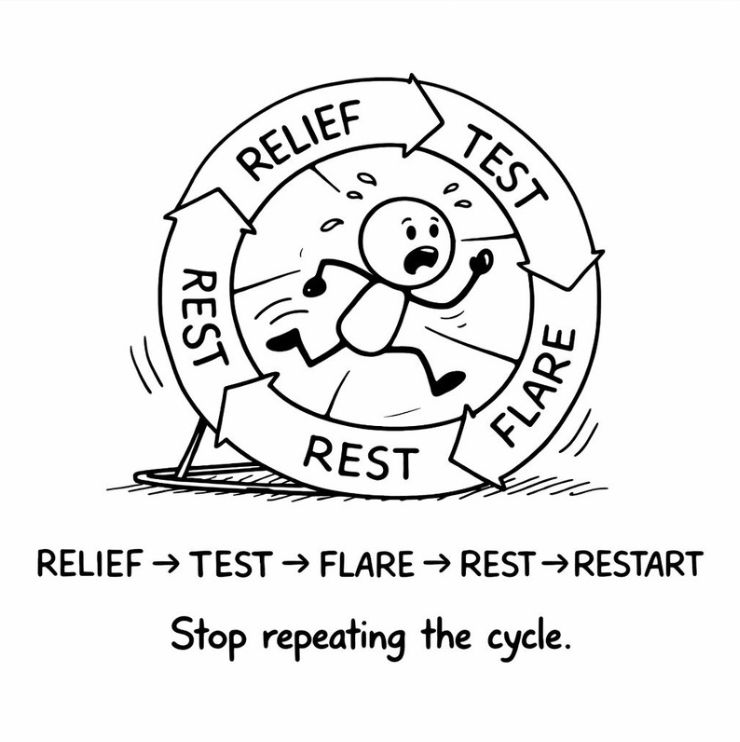
The traditional model is designed to react to symptoms rather than resolve underlying issues. Imaging identifies something structural, and treatment focuses on reducing pain rather than improving function.
But pain is often just a signal. If you don’t address what’s driving that signal, you end up managing it instead of solving it.
This is why so many people feel like they’ve tried everything. In reality, they’ve tried many different versions of the same approach without ever following a complete, structured system.
What I Had to Do Differently
At a certain point, I realized I needed to stop asking, “What else can I try?” and start asking, “What am I missing?” That shift alone changed everything.
The first step was education. Not in a formal academic sense, but in understanding how my body actually worked and what it needed to improve.
The Foundation Most People Overlook
Before I focused on exercises, I had to address my lifestyle. I was sitting too much, not managing stress well, and carrying habits that were working against my recovery.
So I made changes. I improved my nutrition, started managing stress more intentionally, and paid attention to how I moved throughout the day. That became the base that everything else was built on.
Strength and Mobility Changed Everything
From there, I went deeper into training. I already had a background in strength and conditioning, but flexibility and mobility were areas I hadn’t fully explored.
What I found was that strength alone wasn’t enough. Mobility alone wasn’t enough either. It was the combination of being strong, stable, flexible, and mobile that actually changed how my body functioned.
Over time, that combination allowed me to overcome my hip issues, including a labral tear, a bone cyst, and FAI, without surgery.
Why Random Exercises Don’t Solve the Problem
This is where a lot of people get stuck again. They realize they need strength and mobility, so they start doing exercises they find online.
While doing something is better than doing nothing, random routines are rarely enough. The details matter more than people think.
The order of what you do matters. The progression matters. How you perform each movement matters. Without those pieces, you’re still guessing, even if you’re consistent.
What Actually Works
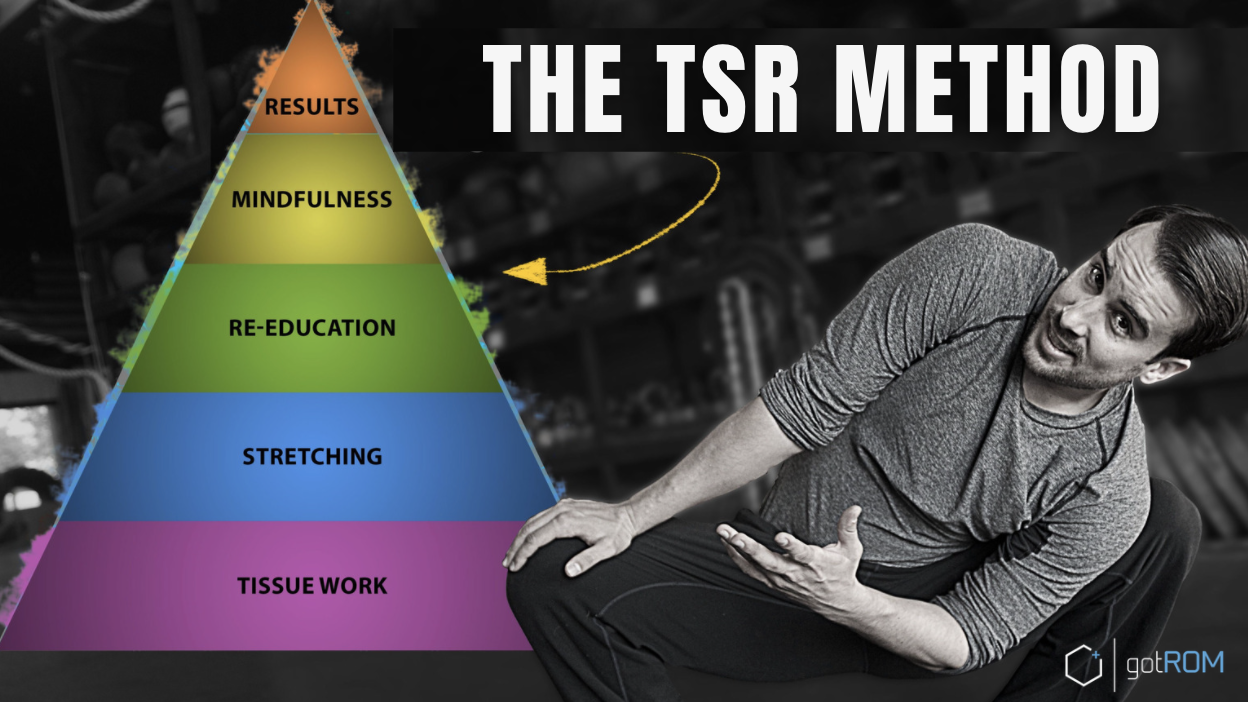
Real progress comes from a structured approach that builds on itself. That means understanding your specific limitations, addressing them in the right sequence, and progressing over time.
It also helps to have guidance. Even when people are doing the right things, they often don’t know whether they’re doing them correctly or whether they’re progressing at the right pace.
The ideal situation is working with someone who understands physical therapy, strength and conditioning, and mobility, and who has experience with your specific condition. That level of guidance removes a lot of the uncertainty that keeps people stuck.
Reframing the Entire Approach
The goal isn’t to reject the healthcare system entirely. It’s to put it in the right place.
Most people spend the majority of their time inside the “sick care” model, relying on treatments that manage symptoms. A more effective approach is to flip that balance.
The majority of your time should be spent building your body through education, lifestyle changes, strength training, and mobility work. Interventions like injections or surgery should be reserved for when they are truly necessary, not used as the default path.
If This Feels Familiar
If you've been cycling through treatments without lasting results, you're not alone.
Over the last few years, I've personally spoken to thousands of people dealing with hip pain. Different ages. Different backgrounds. Different diagnoses.
But the pattern is almost always the same.
They tried the traditional route. They did the physical therapy they were prescribed. They got the injections. They bought the gadgets. Some were already being told surgery was the next step.
Yet many of them still felt stuck.
The common denominator wasn't a lack of effort. Most of these people were working incredibly hard to get better.
The problem was that nobody had ever shown them a complete system. They had pieces of the puzzle. They just didn't know how those pieces fit together.
A Better Way Forward
If there's one thing I've learned from my own recovery and from helping more than 30,000 students over the last 15 years, it's this:
Pain is rarely solved by a single exercise, a single treatment, or a single appointment. Real results come from following the right process consistently over time.
That means addressing the tissues. Improving mobility. Building strength. Fixing movement patterns. Improving lifestyle habits. And putting all of those pieces together into a system that actually makes sense.
That's exactly why we created The Hip Fix™ Program.
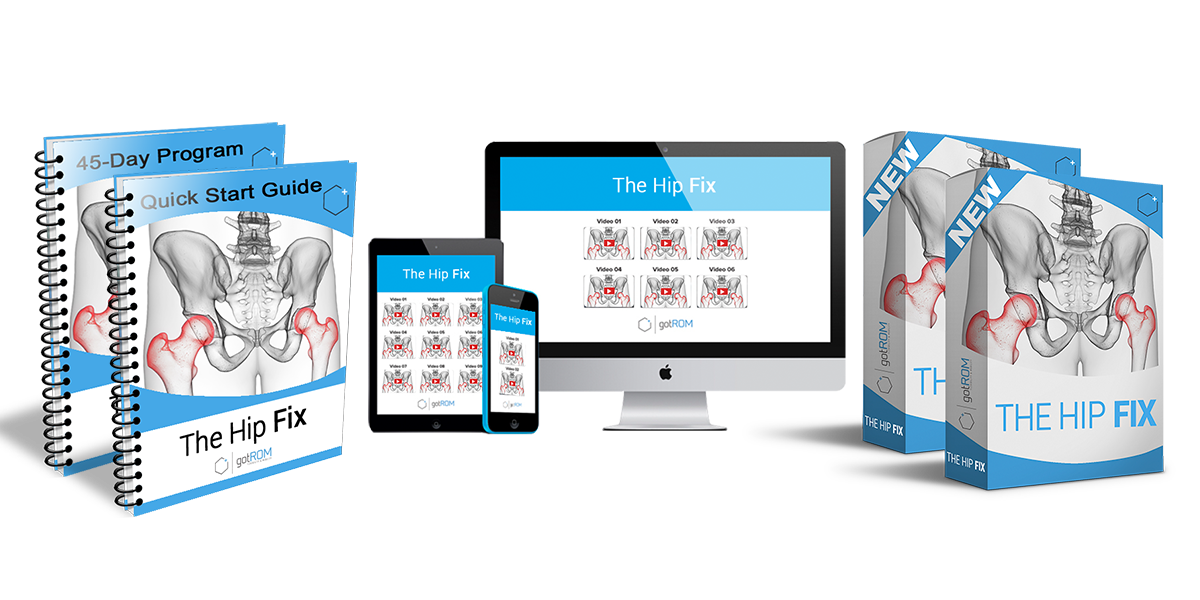
It gives you a step-by-step roadmap built around the same principles I've used to overcome my own hip issues and help thousands of others do the same.
If you want more personalized guidance, you can also upgrade to Hip Specialist Coaching, where you'll get direct feedback and support from a Doctor of Physical Therapy who specializes in hip pain and has helped people navigate these challenges every day.
The goal isn't to convince you that surgery is never necessary. The goal is to make sure you've fully explored the best non-surgical options before allowing anyone to permanently alter the structure of your body.
Because once surgery happens, there's no undo button.
But before you get there, there is still a lot you can do.
And for many people, far more than they've been led to believe.
👉 Start with The Hip Fix™ Program and begin restoring your hips today.
As always, remember that you're just one step away from building (or rebuilding) your perfect body.
About The Author

Shane Dowd, CES, CMP is the owner/founder of GotROM.com. He is also a sports performance & mobility coach specializing in injury prevention and flexibility for athletes.

Free download for this topic
The Ultimate Guide to Hip Impingement
How To Fix Hip Impingement Without Surgery
GET THE FREE EBOOK


