
Ischiofemoral Impingement: A Pain in the Butt—Literally
 By Shane Dowd, CES, CMP
Ischiofemoral Impingement: A Pain in the Butt—Literally
Have you ever heard the term Ischiofemoral Impingement? (pronounced "Is-kio-fem-uh-rul")
Well, it's literally a pain in the butt... and I mean that in the most literal sense possible.
If you're dealing with strange, unexplained hip and glute pain, then this video could be the answer to your prayers. So, buckle up because we're about to unpack everything you need to know to tackle this pain in the butt head-on.
What Exactly is Ischiofemoral Impingement?

Picture this: you’re going about your day, but there’s this persistent, nagging pain in your butt—and it feels like someone is pinching you from the inside. That feeling could be Ischiofemoral Impingement, or IFI for short.
It happens when your quadratus femoris muscle, located between the ischium (part of the pelvis) and the femur (thigh bone), gets squeezed between these bones. Normally, there’s a nice gap for the muscle there, but sometimes it’s like trying to squeeze into jeans that are two sizes too small— it is too tight.
As noted in a 2018 Journal of Orthopedic & Sports Physical Therapy study, IFI can often be misdiagnosed because it shares symptoms with other types of posterior hip pain. And that’s why understanding IFI is crucial.
Understanding Posterior Hip Pain: Is It Really IFI?

But hold on—IFI isn’t the only possible culprit. According to that 2018 study, there are many causes of posterior hip pain, such as piriformis syndrome or sacroiliac joint dysfunction.
If you need help identifying the root cause of your pain, the Doctors of Physical Therapy who run our Hip Fix™ 1:1 Coaching Program will do that for you during the first step of our process. This is a professional assessment with a hip specialist who has experienced hip problems themselves.
Once we know the root cause, we can understand and heal it.
Why Does Ischiofemoral Impingement Happen?
So, why does IFI happen?
It could be due to a variety of factors. Sometimes, it’s just how your body is built—maybe your thigh bone is a bit too friendly with your hip bone. Or perhaps it’s because of weak hip muscles, particularly the abductors, which are supposed to keep everything in place but aren’t doing their job.
We can address these things, and that’s where the good news comes in!
So, who should be on the lookout? IFI loves to target highly active people—think runners, dancers, and even those pushing their hips to the limit. It seems to pick on women more often, possibly due to differences in hip structure.
Not cool, IFI. Not cool.
Spotting the Symptoms: What Does IFI Feel Like?

IFI is tricky because the symptoms are sneaky. The pain starts mild, just a bit of discomfort in your buttock or thigh. But the pain can ramp up over time, especially when walking with long strides or sitting for extended periods.
For my fellow sprint enthusiasts, IFI can even mess with your running stride.
How Do You Fix Ischiofemoral Impingement?
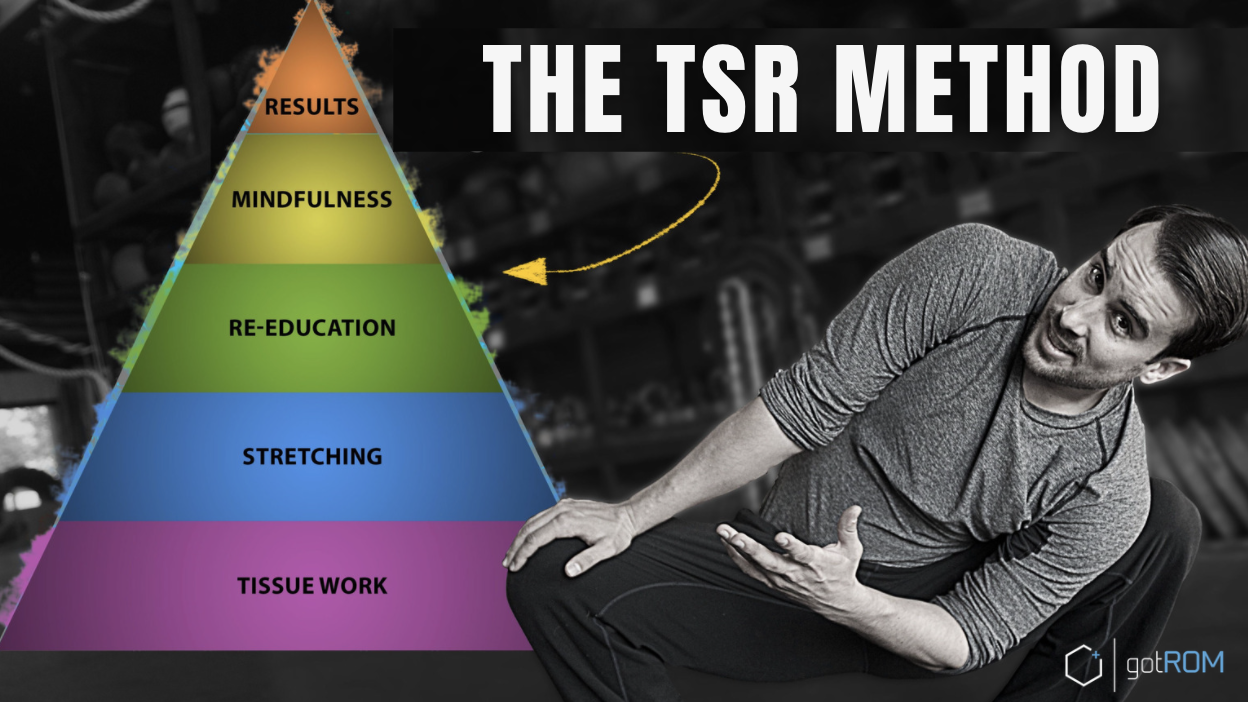
Now, let’s get to the part everyone’s been waiting for—how to fix it.
The first step usually involves manual therapy by yourself or a professional. Think about a deep tissue specialist getting hands-on to loosen things up. But you can also do a lot of it yourself.
Strengthening those hip abductors is key, like giving them a pep talk so they can keep your hip and thigh bone in their own corners.
And don’t forget about exercises to calm down any nerve irritation that might be sneaking in.
Here is what I’m talking about.
Step 1: Tissue Work - Release Tight Muscles
To start, you'll want to release any tight muscles in the hip area. Soft tissue work is crucial for loosening up the quadratus femoris, glutes, and hamstrings, which can all contribute to IFI.
- Lacrosse Ball or Jack Knobber II on Glutes:
- Target Areas: Focus on the quadratus femoris, piriformis, and other glute muscles.
- How-To: Use a lacrosse ball to gently massage these areas, spending extra time on any tender spots.
- Why It Works: This helps reduce muscle tightness and improves blood flow, setting the stage for better movement.
Step 2: Stretching - Increase Flexibility
Next, you’ll want to stretch the key muscles around the hip. Stretching helps increase the ischiofemoral space, reducing the pressure on the quadratus femoris muscle.
- Standing Band Hamstring Stretch:
- How-To: Use a band to gently pull your leg backwards while you hinge forward at the waist.
- Benefit: Loosens up the back of the leg, which can help increase the ischiofemoral space and ease that pesky buttock pain.
- Then, let’s move to the glutes.
- Wall Glute Stretch:
- How-To: Lie on your back and put your feet up on a wall. Cross one leg over the other and gentle pull your knee towards your chest.
- Benefit: Loosens up the back of the leg, which can help increase the ischiofemoral space and ease that pesky buttock pain.
Step 3: Re-education - Strengthen and Stabilize
Finally, it’s time to re-educate your muscles with targeted strengthening exercises. Strengthening the hip rotators and posterior chain helps stabilize the hip joint and prevent further impingement.
-
Side Lying Leg Lifts on a Bench
- How-To: Lay on the edge of a bench and engage your core. Then, lift your leg slowly and controlled, feeling the outer glutes.
- Benefit: The extended range of motion gives a bigger stretch on the glutes and more muscle activation.
-
Side Plank with Hip Abduction:
- How-To: Hold a side plank and lift the top leg.
- Benefit: Combines core stability with hip strength, addressing both the stability and mobility.
-
One-Legged Step-Ups on a Low Box:
- How-To: Focus on one leg at a time, squatting while maintaining balance.
- Benefit: Directly engages the muscles that stabilize your pelvis, improving balance and strength.
Wrap-Up: How To Fix Hip Pain Faster

Incorporating these simple yet effective exercises into your routine will help you address the root causes of Ischiofemoral Impingement by loosening tight tissues, increasing flexibility, and re-educating your muscles to move correctly.
Stick with it, and you'll keep those hips happy, healthy, and pain-free!
👉 If you want to heal your hips and get your life back without surgery, check out gotrom.com/fai for our “do-it-yourself” hip program powered by the TSR system.
👉 And, if you want personalized, 1-on-1 help implementing the TSR system, book a free, 1-on-1 call with me to see if you qualify for our Hip Fix™ 1:1 Coaching Program.
I hope this video and article have decoded the surgery mystery for hip labral tears. And, as always, please remember: You’re just 1 step away from building, or rebuilding, your perfect body.
About The Author

Shane Dowd, CES, CMP, is the owner/founder of GotROM.com. He is also a sports performance & mobility coach specializing in injury prevention and flexibility for athletes.

Free download for this topic
The Ultimate Guide to Hip Impingement
How To Fix Hip Impingement Without Surgery
GET THE FREE EBOOK


