
The 8 Levels of Lifelong Athletes
 By Shane Dowd , CES, CMP
Most people think being athletic is about working out hard.
It's not.
I've met plenty of people who train hard and still end up injured, stiff, exhausted, or forced to give up the activities they love. I've also met people in their 50s, 60s, and beyond who continue to move well, stay strong, and enjoy sports long after most of their peers have slowed down.
The difference usually isn't talent.
It's that they've developed the qualities that allow them to stay in the game for decades.
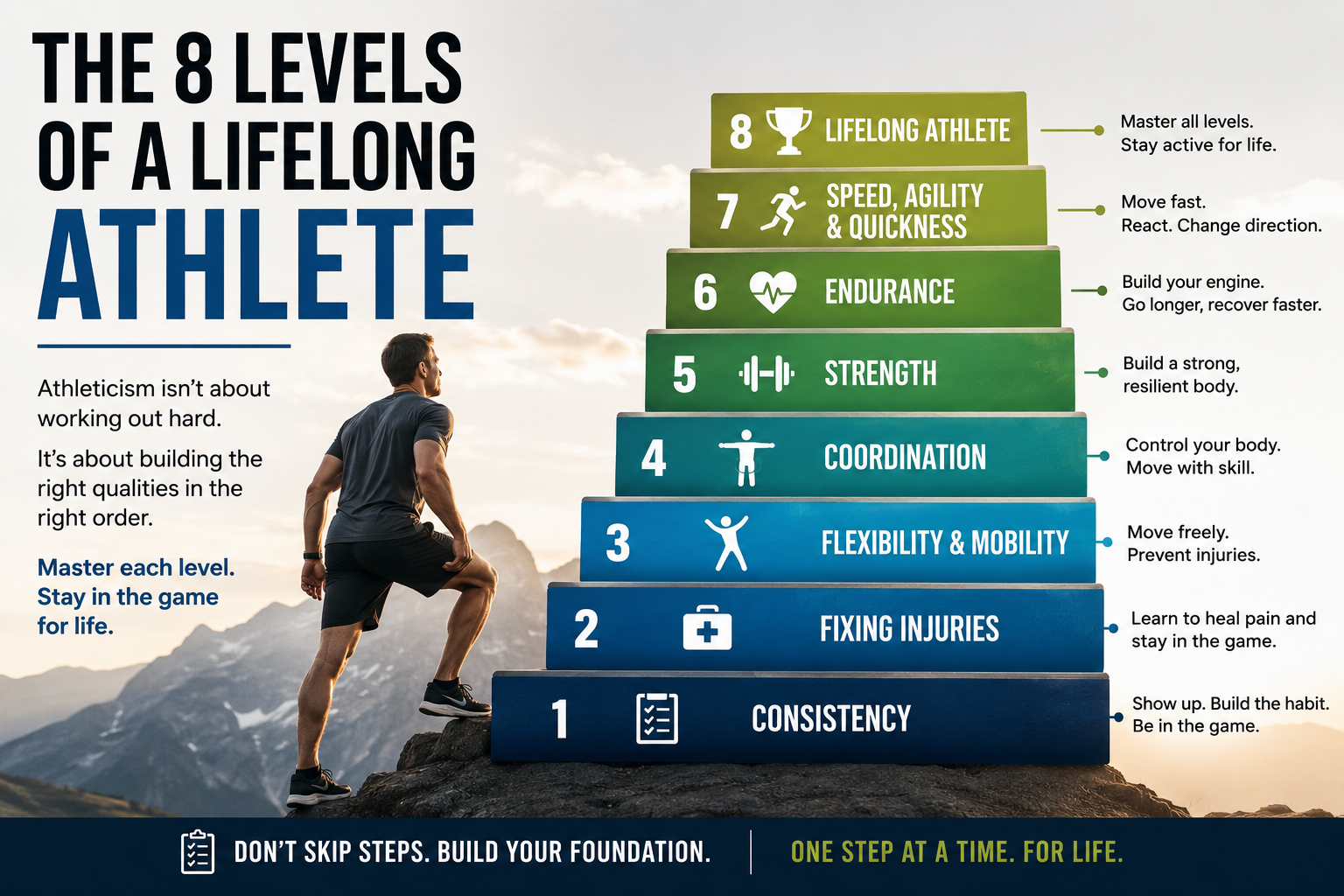
Over the years, I've come to think of athleticism as a ladder. Each rung builds on the one before it. Skip a rung and eventually you'll run into problems.
Master them all, and you give yourself the best chance of staying active for life.
Here are the eight levels of becoming a lifelong athlete.
Level 1: Consistency
Before anything else, you have to show up.
It doesn't matter how good your mobility program is, how strong your deadlift is, or how advanced your training plan looks on paper if you're only doing it occasionally.
The athletes who make the most progress are usually not the most talented. They're the most consistent.
When I look back at the periods of my life when I was the fittest and performing at my highest level, two things stand out: I had a coach and I had teammates.
Having people around you creates accountability. You show up because others expect you to show up. You push harder because others are pushing too.
Not everyone is playing competitive sports, but the principle remains the same. Whether it's a coach, a training partner, a community, or even a habit-tracking system, consistency is the foundation that everything else rests on.
If you're not in the game, you can't get better at the game.
Level 2: Fixing Injuries
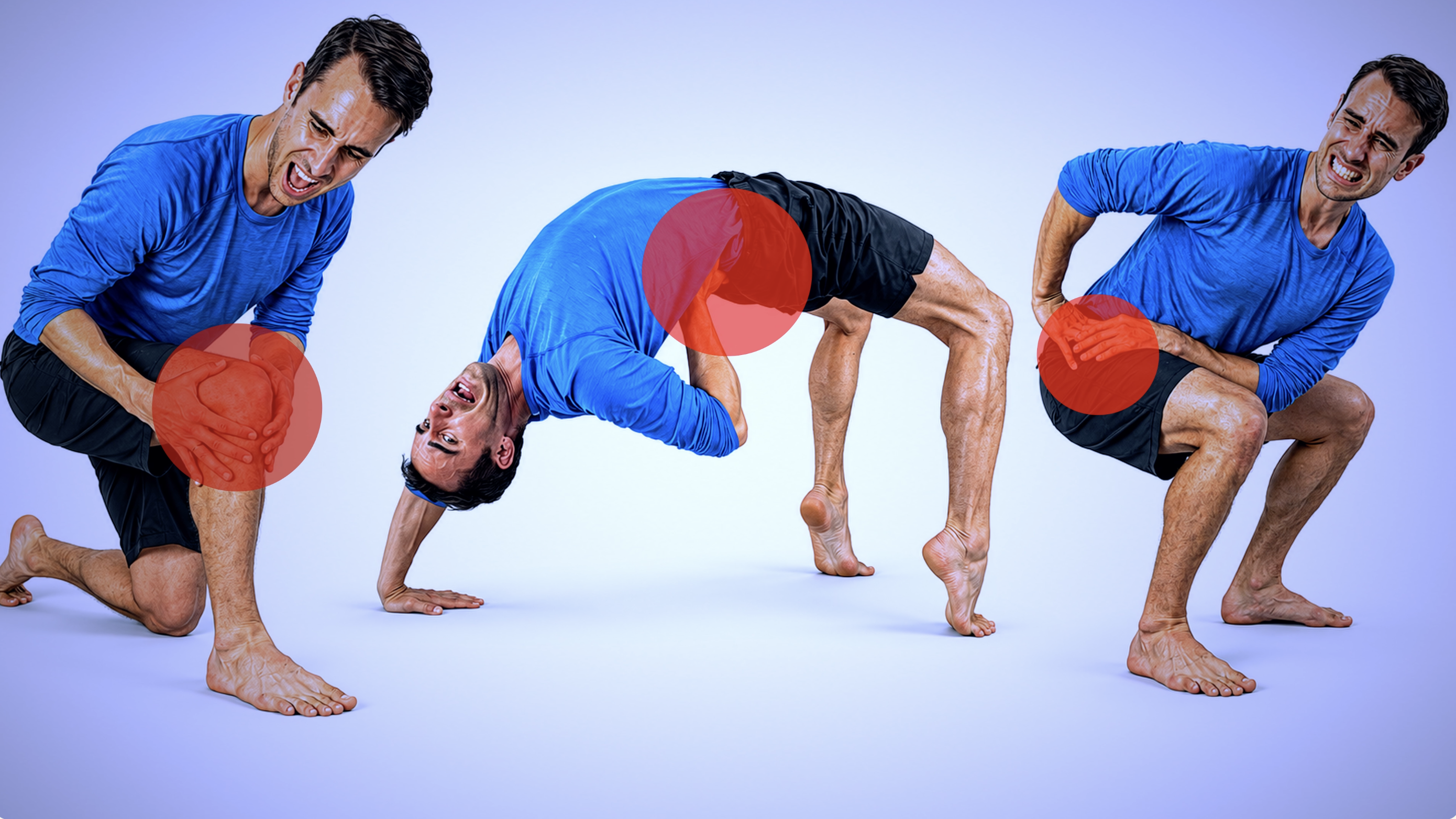
The second skill most athletes ignore is learning how to recover from injuries.
At GotROM, this is one of the main things we help people learn.
Think about it. If your knee hurts every time you squat, your shoulder hurts every time you press, or your hips ache every time you run, it doesn't matter how motivated you are. Eventually that pain starts limiting what you can do.
Learning how to address injuries isn't just about feeling better. It's about extending your athletic lifespan.
You don't need to become a doctor of physical therapy, but you should understand the basics of how pain works, how injuries develop, and how to help your body recover.
The better you become at solving problems when they arise, the longer you'll be able to stay active.
Level 3: Flexibility and Mobility
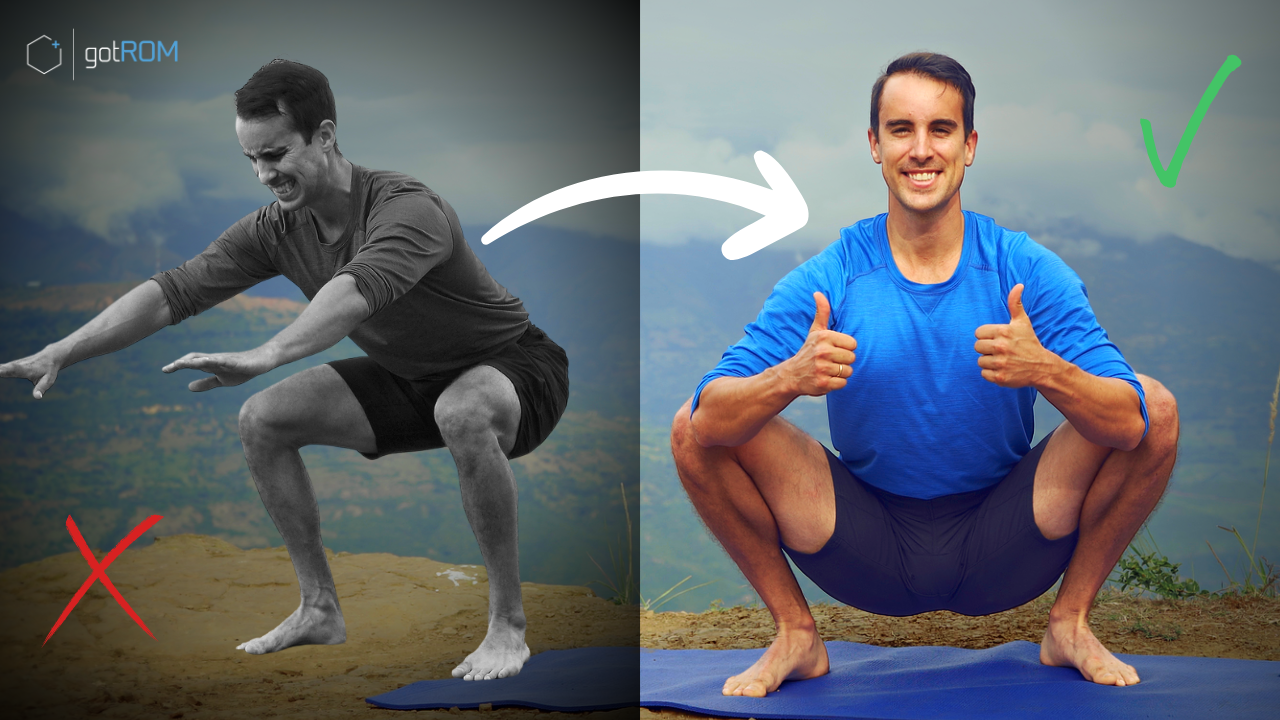
Most people don't suddenly become injured because they got older.
More often, they gradually lose range of motion.
As movement options disappear, the body starts compensating. One joint loses mobility, another joint picks up the slack. Over time, those compensations create stress, and eventually that stress becomes pain.
Mobility is simply the ability to move freely and easily.
Without it, your body becomes limited. With it, movement becomes smoother, stronger, and safer.
This is why flexibility and mobility aren't optional. They're foundational.
Level 4: Coordination
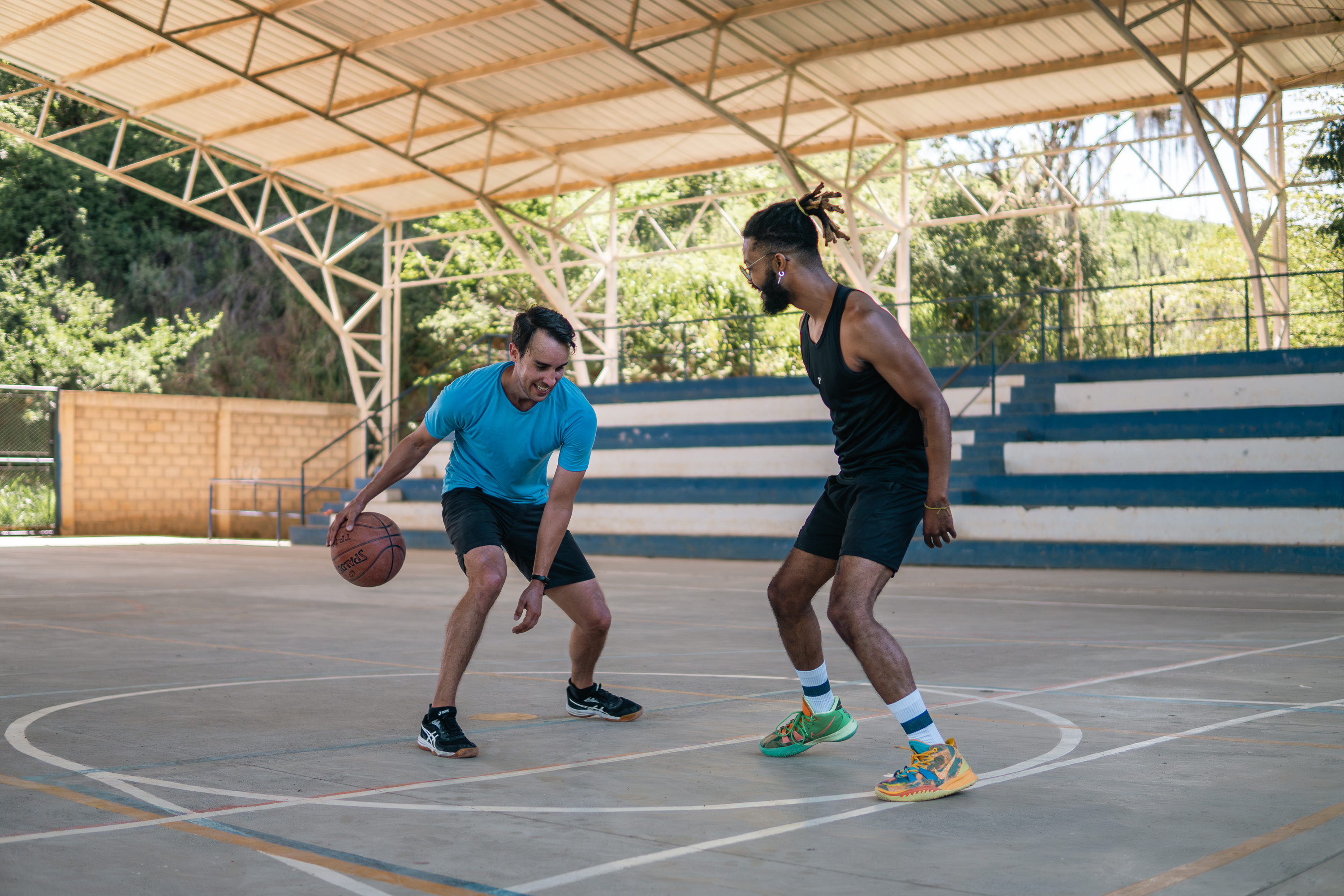
Once you have access to movement, you need to control it.
This is where coordination comes in.
You can have plenty of mobility, but if you can't stabilize, balance, and move with good timing, you're still leaving performance on the table.
Whether you're squatting, deadlifting, throwing a ball, kicking a soccer ball, or learning a new skill, coordination determines how efficiently your body can execute the movement.
The good news is that coordination improves through practice. Repetition is the mother of skill.
The more quality repetitions you accumulate, the more natural and efficient movement becomes.
Level 5: Strength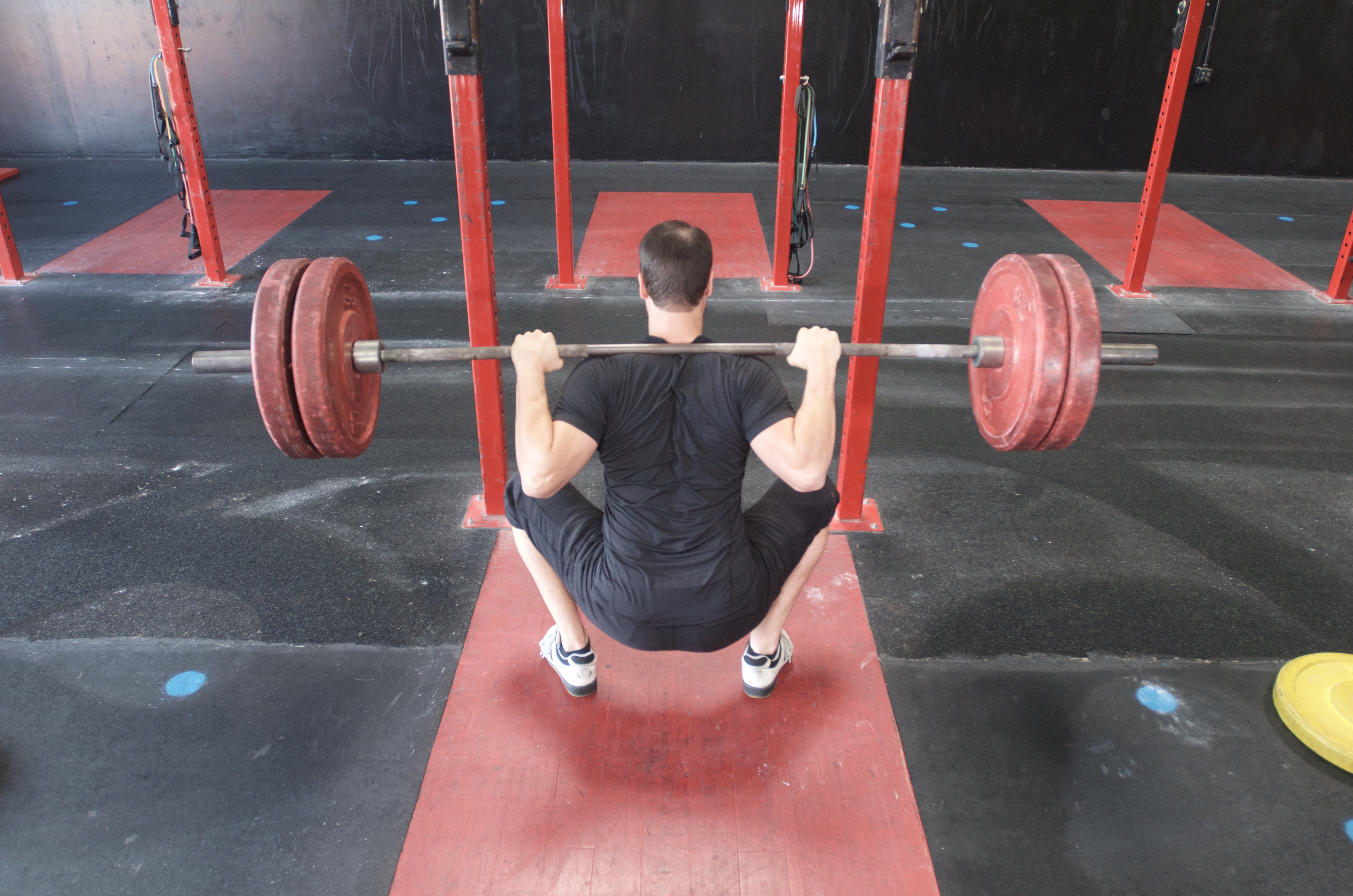
Strength is where most people start.
In reality, it's where many people should focus after they've established a solid foundation.
Once you can move well and control your body, strength becomes easier to build and safer to develop.
Strength training improves muscle mass, bone density, resilience, and long-term health. It allows you to produce more force and better handle the physical demands of life.
Whether you're an athlete, a parent, or simply someone who wants to remain independent as you age, strength matters.
Every adult should be doing some form of resistance training.
Level 6: Endurance

Strength allows you to produce force.
Endurance allows you to sustain effort.
The ability to walk long distances, hike, bike, swim, play sports, or simply remain active throughout the day depends heavily on your cardiovascular system.
Training endurance improves the efficiency of your heart and lungs and helps your body recover from repeated bouts of activity.
The exact method isn't as important as the habit.
Running, swimming, rowing, cycling, hiking, and circuit training can all help develop endurance.
The goal is simple: build a body that doesn't gas out every time life demands effort.
Level 7: Speed, Agility, and Quickness

Most adults stop training speed entirely.
That's a mistake.
Speed, agility, and quickness help you react, change direction, absorb force, and move confidently through the world.
These qualities aren't just useful for sports.
They're useful when you need to catch yourself from falling, avoid an obstacle, react to danger, or simply move dynamically during everyday life.
Research has even shown that athletes who regularly move in multiple directions develop stronger and more resilient skeletal structures than those who only move in straight lines.
If you don't use these abilities, you gradually lose them. The good news is that they're trainable at almost any age.
Level 8: Integration
The final level is integration, where all of the previous levels come together into a complete system.
Consistency keeps you training. Injury management keeps you from being sidelined. Mobility allows you to move freely. Coordination gives you control. Strength builds capacity. Endurance keeps you going. Speed, agility, and quickness help you stay athletic and adaptable throughout life.
None of these qualities exist in isolation. They build on each other.
The strongest athlete in the room can still be limited by poor mobility. Someone with great endurance can still struggle if they're constantly injured. Athletic longevity comes from developing all of these qualities together, not chasing one while neglecting the others.
This is why becoming a lifelong athlete is a journey, not a destination. You're constantly refining your movement, building your strength, improving your conditioning, and learning how to keep your body performing at a high level.
The reward is simple: the ability to keep doing what you love for as long as possible.
Because at the end of the day, that's what most people really want. Not just to be fit this year, but to still be active, capable, and athletic decades from now.
Where to Start
Reading about these eight levels is one thing.
Developing them is another.
Most people know they should be more consistent. They know they should address old injuries, improve their mobility, build strength, and stay active as they age.
The challenge is knowing where to start and how to put all of those pieces together into a system that actually works.
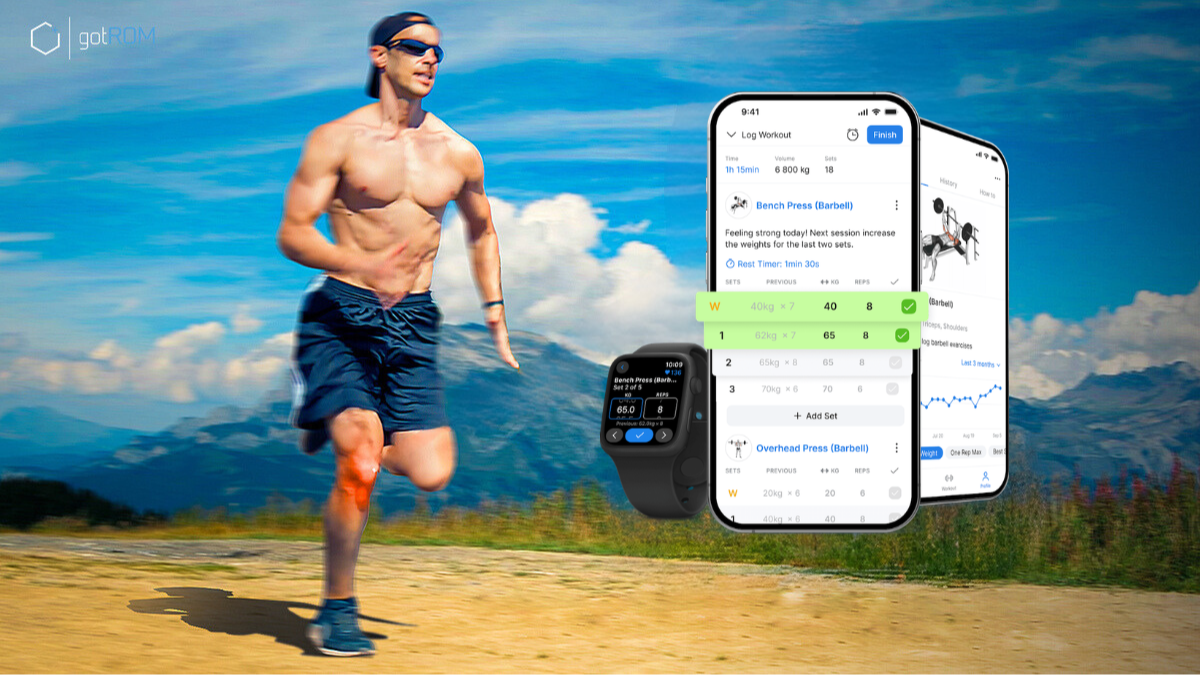
That's why we created the Lifelong Athlete Program.
Instead of piecing together random exercises, conflicting advice, and endless YouTube videos, you'll follow a structured system designed to help you build the qualities that matter most: resilience, mobility, strength, athleticism, and longevity.
Whether your goal is to get out of pain, move better, perform at a higher level, or simply stay active for decades to come, the principles are the same.
Build the foundation first. Then keep building.
As always, remember that you're just one step away from building (or rebuilding) your perfect body.
About The Author

Shane Dowd, CES, CMP is the owner/founder of GotROM.com. He is also a sports performance & mobility coach specializing in injury prevention and flexibility for athletes.

Free download for this topic
How To 10X Your Flexibility
An Insider's Guide to Accelerated Gains
GET THE FREE EBOOK


